How a Bitcoin ETF Differs From Owning Bitcoin
A Bitcoin ETF lets you hold bitcoin through an ordinary brokerage account, with no coin to buy and no crypto wallet to wrestle with. A spot fund holds real bitcoin, so its price follows BTC. These funds were approved in the US in January 2024, and large institutional money walked in. For a trader, in my experience, that is important background, not a trade signal. If you want not just price exposure but yield from the coins themselves, that is already about staking, where the coin is yours but locked.
People talk about the Bitcoin ETF as if it rewrote crypto forever. There is a grain of truth there, and plenty of myth. So here is the calm version: what the instrument is, the three types you can actually buy, which funds launched, what you trade away versus owning the coin, and how all that money flowing in and out weighs on the bitcoin price, with no fairy tales about easy money.
In this article we'll cover:
- a Bitcoin ETF gives access to bitcoin through a brokerage account, with no coin to store and no private keys;
- spot, futures and income funds hold different things and behave differently, so the type matters more than the name;
- the approval of spot ETFs in January 2024 opened the road for institutional capital;
- for me an inflow into ETFs is mechanical buying of real bitcoin, an indicator of large-player demand, not a reason to enter a trade.
Start with how the instrument is built on the inside.
What is a Bitcoin ETF and how does it work?
A Bitcoin ETF is an exchange-traded fund whose shares trade on a stock exchange, with their price tied to the value of bitcoin. By buying a share, an investor gets exposure to bitcoin through a familiar brokerage account and does not hold the coin themselves.
The mechanics are simpler than they look. Shares move through the session like ordinary stocks, on large venues such as Nasdaq and the New York Stock Exchange. Big institutional firms called authorized participants do the plumbing: against demand for shares they create new units and buy bitcoin to back them, and on outflows they redeem units and sell the coin. That create-and-redeem loop is the reason a share's price stays near the BTC rate instead of drifting away. What you are really buying, then, is trading and investing in a traditional wrapper, not the cryptocurrency itself. For a retail investor it removes the main headache, since there is no need to deal with exchanges, seed phrases, or key storage. That convenience is the whole point, and it is what pulled in people and institutions who were never going to set up a hardware wallet.
In short: An ETF is a wrapper: you hold a fund share in a brokerage account, while the fuss with the coin and the keys is handled by the fund.
Spot, futures, income: why the type decides everything
Here is the part most beginner guides skip, and it is the one that actually matters. The words "Bitcoin ETF" cover three different products, and treating them as the same thing is the central mistake. A spot fund holds real bitcoin in custody, so its share tracks the live rate tightly. A futures fund holds no coin at all; it holds contracts that bet on bitcoin's future price. An income fund goes further still, selling options on its bitcoin exposure to pay out a yield, and in return it caps how much of bitcoin's upside you keep.
The futures version carries a quiet tax that catches people out. Contracts expire, so the fund must keep rolling expiring ones into later-dated ones. When those later contracts cost more than the near ones, a state called contango, every roll pays a premium, and that premium grinds down returns over time. So a futures fund can lag spot bitcoin badly over a long horizon even when the coin itself goes up. My rule of thumb is plain: if you want the closest thing to the coin inside a brokerage account, that is a spot fund, and the futures and income variants are different animals with their own costs. Know which one you are holding before you click buy.
In short: Spot holds the coin and tracks it; futures holds contracts and bleeds on the roll in contango; income trades away your upside for yield. The type, not the label, is what you are buying.
Spot Bitcoin ETFs: which launched and at what scale
The turning point came on January 10, 2024, when the US regulator approved eleven spot bitcoin fund applications at once, and trading started the next day. For more than ten years before that, such applications had been rejected. Among those who launched funds were the world's largest asset managers, and in the first months the spot ETFs gathered solid inflows, noticeably more than the ether funds that arrived later.
What that changed in practice. Earlier, for a large fund or pension capital to step into bitcoin, you had to mess with crypto exchanges and custody. Now it is a one-click share purchase through a familiar broker, with clear reporting and regulation. There is a flip side too. You pay a management fee, usually small, and you don't own the coin, which means you can't use it inside the crypto ecosystem.
The backstory is worth knowing. Bitcoin futures funds appeared in the US before the spot ones, back in 2021, but they tracked contracts on the coin rather than the coin itself, hence the lower precision. The breakthrough with spot funds came only after long court pressure on the regulator. Later that same year spot ether funds were approved too, though they drew far less interest. The takeaway is telling: the market accepted bitcoin specifically as the main institutional crypto asset, not cryptocurrencies in general.
In short: Spot ETFs were approved on January 10, 2024, the market took bitcoin as the main institutional asset, ether noticeably less.
ETF versus holding bitcoin yourself: what you give up
An ETF buys you convenience, and convenience always has a price. The share gives you bitcoin's price, but it does not give you bitcoin. You hold no keys, you cannot send the coin to anyone, you cannot use it on-chain, and you cannot trade it on weekends or at night when the stock market is shut. Bitcoin runs around the clock; an ETF runs on exchange hours. For someone who just wants price exposure inside a retirement or brokerage account, that trade is fine, and frankly easier and safer than juggling seed phrases. For someone who wants the coin itself, with self-custody and full control, the ETF is the wrong tool.
There is a quieter cost too. When millions of coins sit inside a handful of funds, ownership concentrates, and a beginner who buys the ETF thinking it is "the same as bitcoin" is holding a different risk profile than a self-custody holder. Neither choice is wrong. They are simply different instruments, and you should pick the one that matches what you actually want from the asset.
In short: An ETF gives the price and takes the coin: no keys, no on-chain use, no weekends. Convenient for exposure, useless if you want to own and control bitcoin.
How does a Bitcoin ETF affect the BTC price and institutional demand?
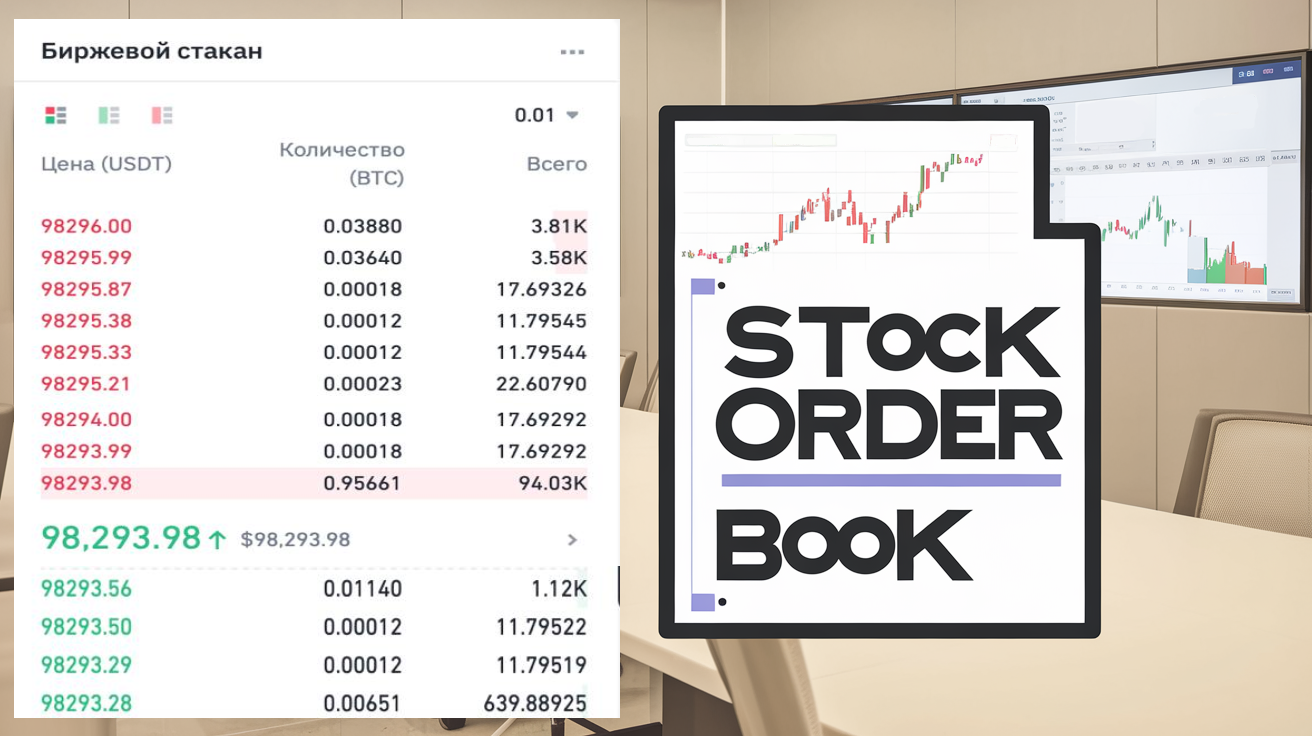
The main effect is not magic, it is real buying and selling. A spot fund has to hold actual bitcoin equal to the shares it has sold. So when demand rises and new shares are created, the fund goes out and buys real bitcoin on the open market, and that buying hits the order book directly. The reverse is just as real: when investors sell and shares are redeemed, the fund has to sell real bitcoin to return the cash. This is why a headline like "ETFs saw record outflows" matters. It is not just mood, it is forced, mechanical selling of coin. So I read ETF flows the way I read volume on a chart: as effort that has to show up somewhere in price.
That makes daily flows one of the cleaner short-term reads the market has. Inflows are a steady buyer sitting under the price; outflows remove that buyer. And because so much coin has been pulled into funds, the bitcoin left floating on exchanges has thinned out, so the same flow bites harder than it would have a few years ago.
But here is my position, and it is exactly an opinion. The mere existence of an ETF does not oblige bitcoin to rise. Regulator decisions and large outflows push the price down just the same, and the concentration of coins in a few big funds adds risks of its own. So for me an inflow into ETFs is the fundamental background that explains where the large demand on the market comes from, but not a command to enter. A beginner often confuses the accessibility of an instrument with a guarantee of income. The ETF made entry easier for institutions and for retail alike, but bitcoin's volatility hasn't gone anywhere, and the fund doesn't remove it. Crypto trading itself stayed exactly as it was, and I still take the entry from level and volume on the chart, not from a flow headline. This is not advice for you personally, it is how I look at it: the instrument is convenient, but the market under it is the same as before, and risk control stays with you.
In short: ETF flows are mechanical buying and selling of real coin, a gauge of large demand, not an entry signal, because outflows and the regulator press the price just the same, and I take the entry from the chart.
Frequently Asked Questions
It is an exchange-traded fund whose shares trade like stocks, with their price tied to bitcoin. It gives access to BTC through an ordinary brokerage account, without buying or storing the coin and private keys yourself.
A spot fund holds real bitcoins, so its price tracks the rate closely. A futures fund follows the price through derivative contracts and can drift from the asset's real value because rolling contracts forward carries a cost.
It holds contracts, not coins, and has to roll expiring contracts into later ones. When later contracts cost more, a condition called contango, that roll quietly eats returns over time, so a futures fund lags spot bitcoin on a long horizon.
No. You own a fund share, not the coin. You cannot move it on-chain, send it, or hold your own keys. The fund and its custodian hold the bitcoin, and you give up self-custody in exchange for convenience.
Spot bitcoin funds were approved in the US on January 10, 2024, and trading began the next day. For more than ten years before that the regulator had rejected such applications.
Through real buying and selling. When ETF shares are created, the fund buys actual bitcoin on the open market to back them, and when shares are redeemed it sells. So inflows are a steady buyer under the price and outflows pull that buyer away, which is why daily flow numbers move the market.
About the Author
Author: Igor Arapov — independent researcher in the psychology of investment decisions and behavioral finance, practising trader since 2013, founder of arapov.trade, author of a trading book series (ORCID: 0009-0003-0430-778X).