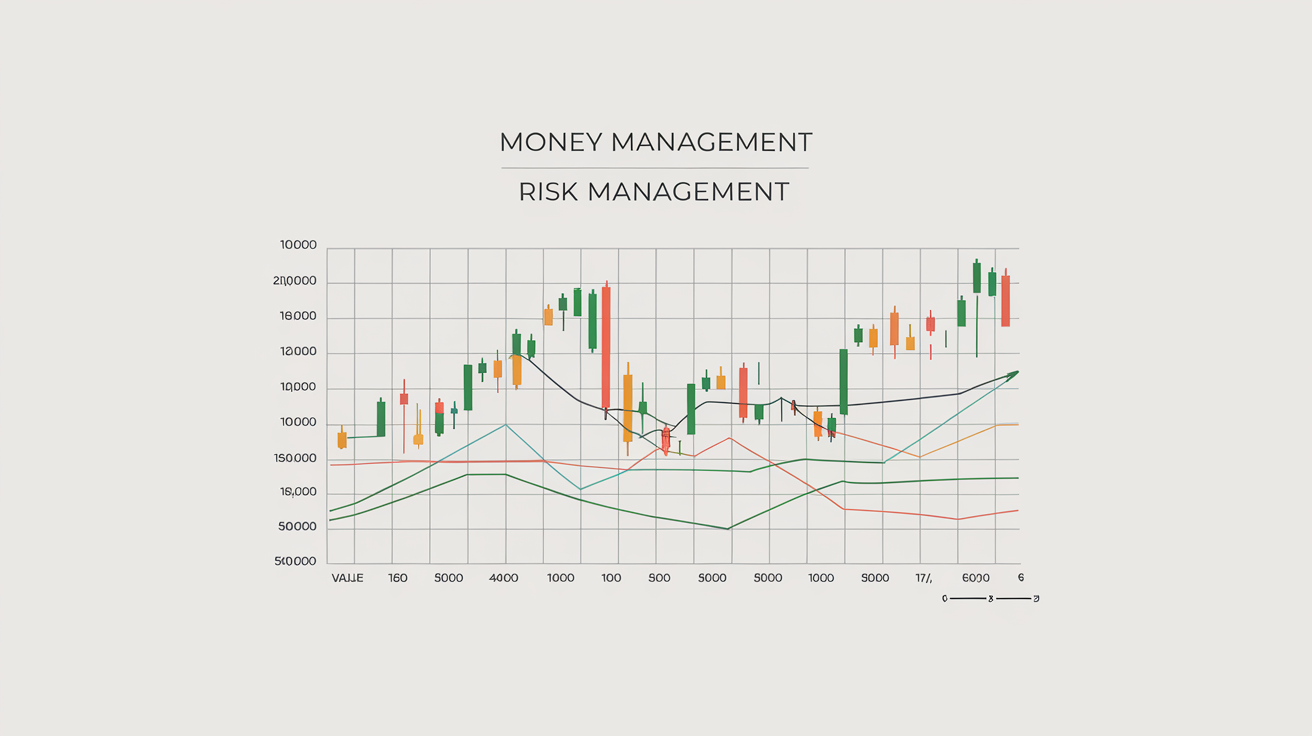
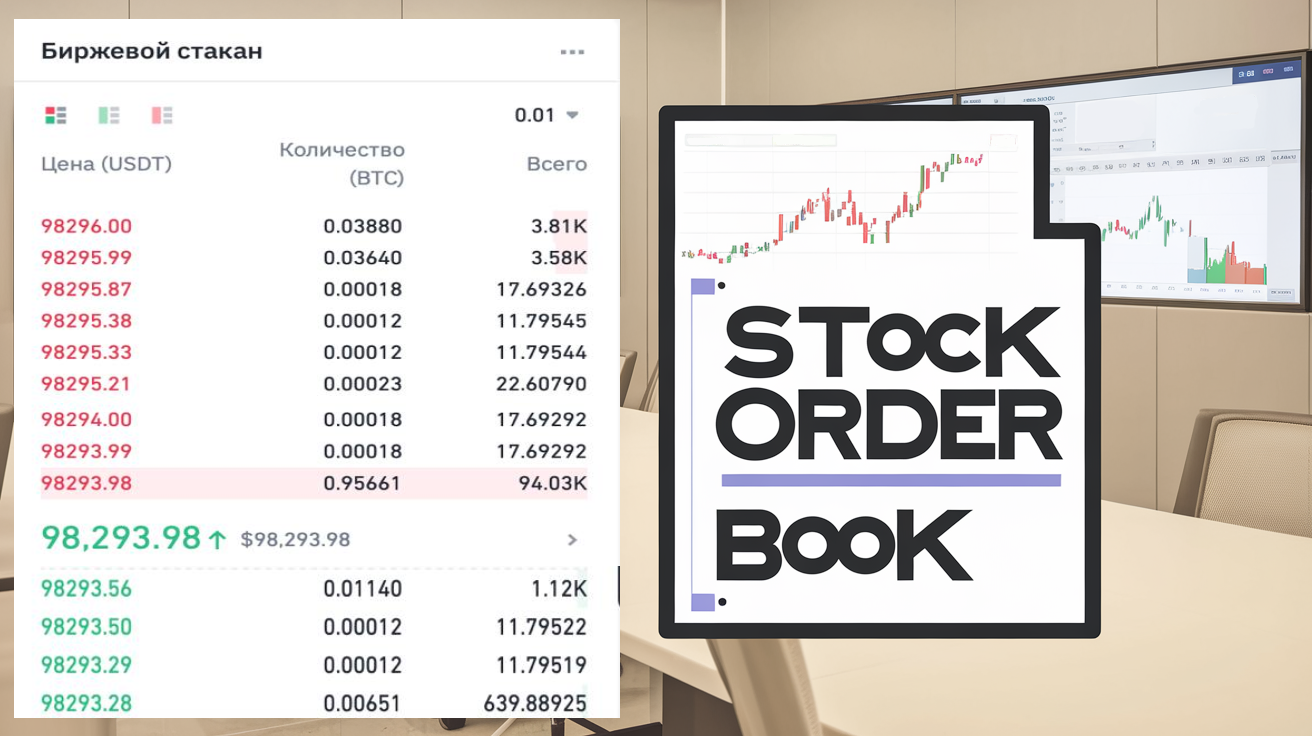
Price clears a zone it kept stalling at, the chart looks like it is finally going, and that is exactly where most traders get hurt. Jumping in the instant of the break means buying a spike that often snaps straight back. My approach is simpler: wait for the retest of the broken level, get confirmation from volume and a pin bar, and only then enter with a short stop.
Levels are where the whole market is staring. Everyone watches them, everyone opens trades off them, so that is where the interesting stuff happens. A beginner sees price punch through resistance, jumps in, and two bars later the move reverses and takes his stop. That trap, the false breakout, or as I call it in volume analysis the fakeout, is my favourite and most reliable setup, and I am hunting for it in almost every trade. So let us go through it in order: what counts as a breakout, how volume separates the real thing from the trap, and where to hide your stop.
In this article we'll cover:
- you do not enter at the moment of the break: volatility is high and it is easy to get caught by a fakeout;
- a real breakout is confirmed by volume, a fakeout has none, and that is your main filter;
- the fakeout is engineered by big money to sweep the crowd's stops and load up against them;
- you enter on the retest, not the break: a pullback to the level plus a pin bar give a short stop and a target of 1 to 2 or better.
Let's start with what actually counts as a level and a breakout.
What Is a Breakout in Trading?
A breakout is the moment price passes through a support or resistance zone it could not clear before. Support is the area where buyers showed up earlier and held price from below; resistance is the opposite, the zone above where sellers stepped in.
One practical caveat right away: a level is never a thin line, it is a zone. I pay special attention to impulse levels, the spots price left earlier with a sharp, strong move. Those impulses come from big capital, not from retail, which is why price keeps getting pulled back to them. I build them off the first deep correction and take them from the four-hour chart, and if the same level shows up on the daily, the read is even more reliable, because the higher the timeframe, the truer the signal. And here is the key point that costs most people money: the fact that price stepped past the level means nothing on its own. Big money would rather sweep everyone's stops with a fake move first and only then go for real. How to build support and resistance levels I cover separately.
Before a strong breakout the market usually contracts, and that is worth noticing in advance. The longer price shuffles in a narrow range, the smaller the candle spread becomes and the quieter the volume: this is a coiled spring, accumulation before the release. Energy builds while both sides are still in the corridor, and the moment one is spent price snaps sharply into the opposite direction. So I look for the cleanest breakouts not out of nowhere but on the exit from such a lull: a narrow, sluggish range on falling volume is, to me, a sign a move is coming, and all that is left is to wait for which way it goes on rising flow.
In short: A breakout is price passing through a zone it could not clear before, but stepping past the level proves nothing on its own: big money often sweeps stops with a fake move first, and a level is a zone, not a line.
Real Breakout vs Fakeout: How Volume Confirms It
This is the core question of the whole topic, and my answer is simple: the filter is volume. Volume is the number of trades in a bar, and it shows whether big capital is active. A real breakout almost always comes with rising volume, because there is genuine interest from a large player behind it. A push past the level on weak volume is the first warning of a fake: price is being shoved, but there is no serious money behind it.
So a pretty breakout on empty volume is instantly suspect to me. There is effort but no result, no hold above the level and no volume support, and that is the classic signature of a fakeout. Volume here is not decoration, it is the exact tool that separates a real exit by big capital from a trap laid for the crowd. Why volume is the cause of the move, not indicators, I show in the course section. The short version: no rise in volume on the break, no trust in the break.
In short: A real breakout comes with rising volume, a fakeout lacks it: effort past the level with no volume and no hold is the first sign of a fake, which is why volume is my main filter.
Why Breakouts Fail: The Fakeout Is a Liquidity Grab
A fakeout is a brief move past a significant level with a quick snap back, creating the false impression of a new trend. It is one of the clearest fingerprints of smart money at work.
To get why it happens, think like big capital. A large player needs to fill a sizeable position, but if he just starts buying in the open, price runs away before he is filled. He needs sellers on the other side, that is, liquidity, and where is there the most of it? Right beyond the obvious level, where the crowd has stacked stops and breakout orders. The rest is logical: price is driven past the level, the stops of those already in get swept, and the breakout orders of those who bought the highs get filled at the same time. All that crowd, with their own orders, hands the big player the very liquidity he loads up against at a good price, and then he reverses the market. The crowd is driven by the fear of missing the move, and that predictability is exactly what sinks it. It is a textbook trap for retail, and where to look for these zones I cover through working with levels and liquidity gaps. Learn to see the fakeout and the manipulation stops being a trap and becomes your entry point.
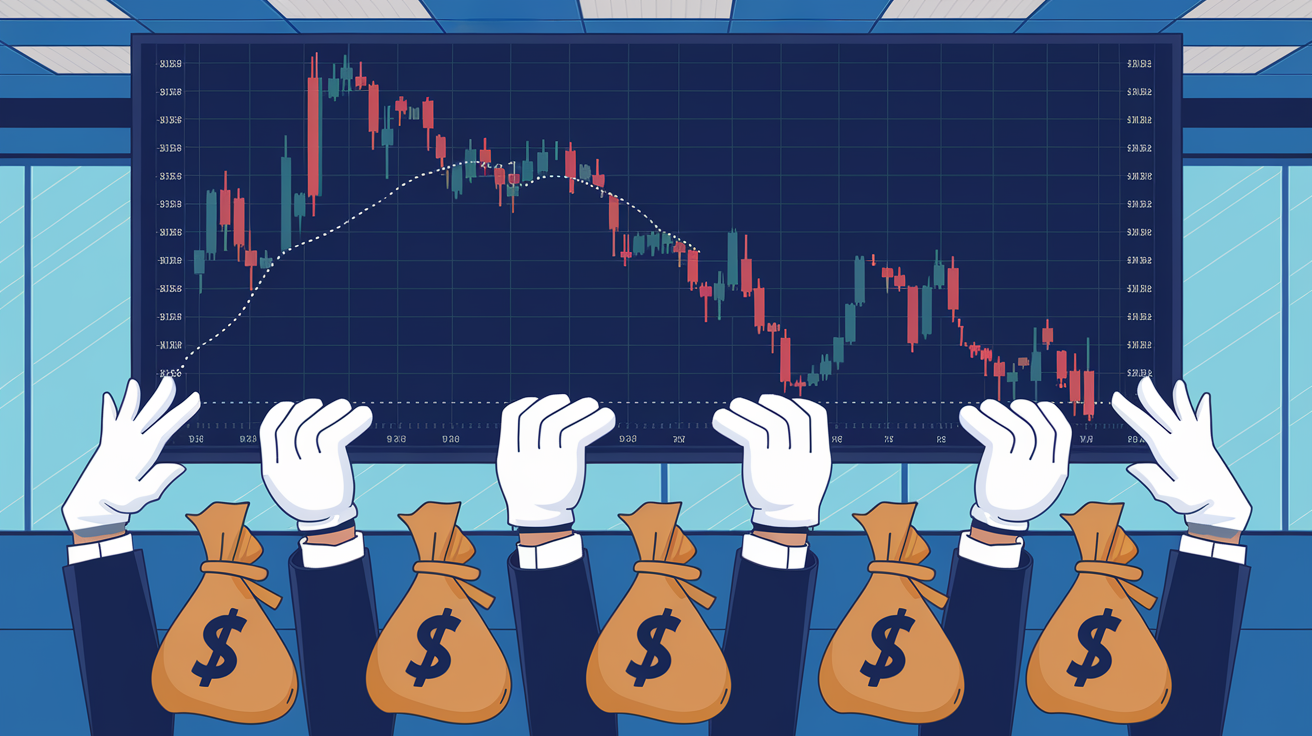
In short: A big player needs opposing orders, so he drives price past the level where the crowd holds stops and loads up against them before reversing the market: a fakeout is not bad luck, it is an engineered trap.
Should You Enter on the Breakout or Wait for the Retest?
A retest is price coming back to the level it has just broken, and it, not the break itself, is where I enter. A pin bar is a candle with a long tail and a small body; it shows that one side has run out of steam.
The sequence is simple, and I lean on only three things: volume, the pin bar, and the retest. First comes the break, ideally on high volume, which tells me a big player is active. Then I wait for the retest, the pullback to the broken level: break, retest, and without that I do not enter. On the retest I look for a pin bar, which shows the weakness of the side trying to drag price back. A pin bar on the pullback to the level on rising volume means I can work in the breakout's direction. With a fakeout the logic is the same but mirrored: I wait for price to dip past the level and come back into the range, and I enter against the crowd that just got swept, confirmed by weak volume on the false break and a reversal pin bar on the return. So whether you should chase the break or wait, my answer is that I wait. At the moment of the break volatility is high and it is easy to get caught by the fake; the retest gives a cleaner, more controlled entry.
In short: You enter on the retest, not the break: wait for the pullback to the broken level and a pin bar on rising volume, then work in the breakout's direction; on a fakeout it is the same, but you enter against the crowd that got swept.
Where to Put Your Stop and Target on a Breakout
The specifics on protection are these. I put the stop beyond the extreme of the pullback, basically beyond the high or low of the pin bar, plus a small buffer for the spread, and on a fakeout beyond the furthest point of the false break. That keeps the stop short and logical: if price goes back there, the scenario is already dead and there is no reason to sit in the trade. The target I put on the next impulse level or the opposite side of the range, where the move logically reaches.
Out of that comes the math of the trade. I take entries with a reward-to-risk of at least 1 to 2, ideally 1 to 3: if the target is three times the stop, I do not think long, and anything worse than 1 to 2 I skip, even when it feels like price is about to go. And here is my main takeaway from all these years: on a breakout and a fakeout you have to do the exact opposite of what instinct says. Instinct screams to jump into the breakout with everyone else, but the money goes to the one who waits for the retest and enters deliberately. The prettier and more tempting the breakout looks to the crowd, the higher the odds it is a fake prepared for them. This is not advice to you personally, it is my working algorithm: over a series, it is not the single trade that wins but the quality of entries and the control of risk. How I set the stop and the target on a live chart through the pin bar and volume I show in the video: how to trade a level breakout.
In short: Stop beyond the extreme of the pullback or the false break plus a buffer, target on the next impulse level; I take only trades from 1 to 2, ideally 1 to 3, and I do the opposite of instinct: I wait for the retest instead of jumping into the break.
Frequently Asked Questions
Price passing through a support or resistance zone it kept failing to clear. But stepping past the level means nothing by itself: big money often sweeps other people's stops with a fake move first, and only then goes for real.
The main filter is volume. A real breakout almost always comes with rising volume, while a push past the level on weak volume is the first warning of a fake. Add a check that price holds beyond the level and a reversal signal on the retest, such as a pin bar.
To collect liquidity for a position. Beyond the obvious level sit the crowd's stops and orders. Price is driven there, those orders get swept, and the big player quietly loads up against them at a good price, then reverses the market.
Beyond the extreme of the pullback or the false break, the furthest point of the move, plus a small buffer for the spread. That keeps the stop short and logical: price going back there cancels the setup. The target goes on the next impulse level, which gives a reward-to-risk of 1 to 2 or better.
In my experience, no. At the moment of the break volatility is high and it is easy to get caught by a fake move. It is steadier to wait for the retest, the pullback to the broken level, and a pin bar on rising volume, and only then enter in the breakout's direction with a short stop.
About the Author
Author: Igor Arapov — independent researcher in the psychology of investment decisions and behavioral finance, practising trader since 2013, founder of arapov.trade, author of a trading book series (ORCID: 0009-0003-0430-778X).