The safest place for your main crypto capital is a cold wallet with no internet, say a hardware Ledger or Trezor, while on the exchange you leave only the small change you are trading right now. The key to it all here is not the device itself but the seed phrase, and it lives offline only. Whoever controls the phrase owns the money, so security starts exactly there, not with the choice of wallet model.
I trade crypto rarely; my mainstay is futures and gold, but the question of storage faces a beginner among the very first, and the price of a mistake here is sky-high. In crypto you are your own bank: lose access to the keys and there is nowhere to restore it, no support, no call to a branch. So I treat storage exactly as seriously as a stop in a trade, and look at it first of all through capital protection. My habit is simple: only the trading remainder sits on the exchange, everything else goes into cold.
In this article we'll cover:
- a wallet stores not coins but the keys to them: the coins always sit in the blockchain;
- a hot wallet is speed and online risk, a cold one is safety for capital over the long haul;
- in my experience, safety rests on the seed phrase more than on the brand of the device;
- the main threat of 2026 is no longer a hardware hack but being talked into giving up access under a deepfake.
Start with how a hot wallet differs from a cold one and who really controls your keys.
What is a hot and cold wallet, and the difference
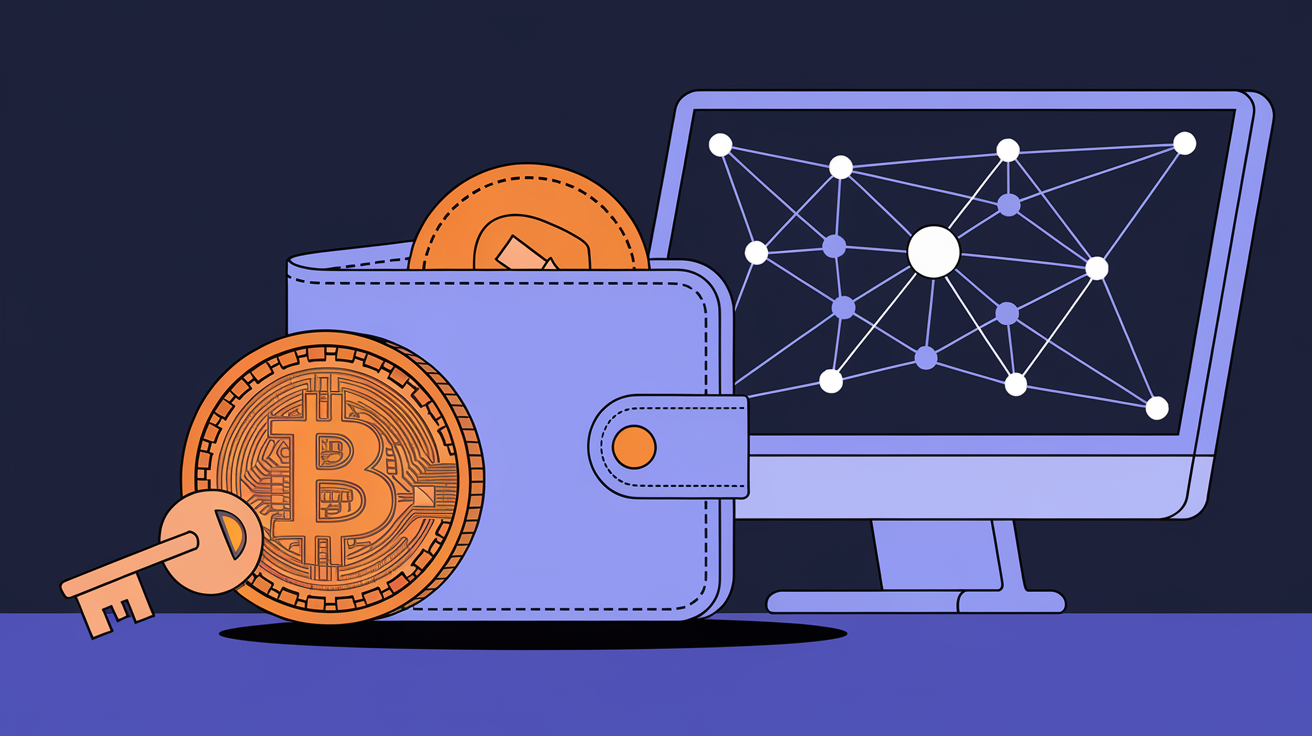
A cryptocurrency wallet is a store not of the coins themselves but of the keys to them, and this is the point beginners miss most often. The coins sit in the blockchain the whole time, while the wallet holds the private key that proves they are yours. Put simply, it is a key ring, not a safe with money inside.
From there, methods split in two. A hot wallet is connected to the network, an app on the phone, a browser extension, a wallet on an exchange: handy for paying and trading, but the keys are online and open to hacks and phishing. Scarier than a device hack is carelessness: fake sites, a counterfeit support desk, a link out of nowhere. A cold wallet keeps the keys offline and never connects, so reaching it remotely is nearly impossible, though for frequent operations it is inconvenient. Hence the logic: a hot wallet for small everyday operations, a cold one for the main reserve years ahead.
There is a second division too, and it matters more than the first. When someone manages the keys for you, usually an exchange, that is custodial storage: you log in with an ordinary password, while the venue itself owns the keys under the hood. When the keys are yours alone, that is non-custodial storage, and no one can take or freeze the funds. This is exactly where the saying works, not your keys, not your coins. If you are only entering the topic, keep the basics from the material on crypto basics for a beginner close at hand, so the rest falls into place.
In short: A wallet stores keys, not coins: a hot one is online and handy for small change, a cold one is offline and safer for large capital, and on an exchange the keys are not yours.
Hardware wallet Ledger and Trezor: why it is considered the safest
A hardware wallet is a small physical device made only for storing keys offline, and the most practical kind of cold storage. Ledger and Trezor have long set the tone on the market, and they cost roughly from 80 to 400 dollars. The point of the device is that the private key never leaves it: when you confirm a transfer, the signature is formed inside, and only the already-signed transaction goes out.
What it gives in practice: let the computer pick up a dozen viruses, they will not reach the key, locked inside the device. The most malware can do is swap the recipient's address, but an attentive person spots the catch right on the device screen and does not confirm. That is why for long storage it is currently the best balance of reliability and convenience. As a backup, some do not even write the seed phrase on paper but engrave it on metal, so fire or flood cannot destroy it. An honest caveat: the hardware is not a hundred-percent shield. Sign a malicious contract with your own hands or fall for phishing, and no device saves you, since half of security is your own habits.
In short: A hardware wallet keeps the key inside the device, so even on an infected computer the coins are intact; the most a virus can do is swap the address, and that is visible on the screen, while the seed phrase serves as the backup.
Seed phrase: what it is and why you must not keep it online
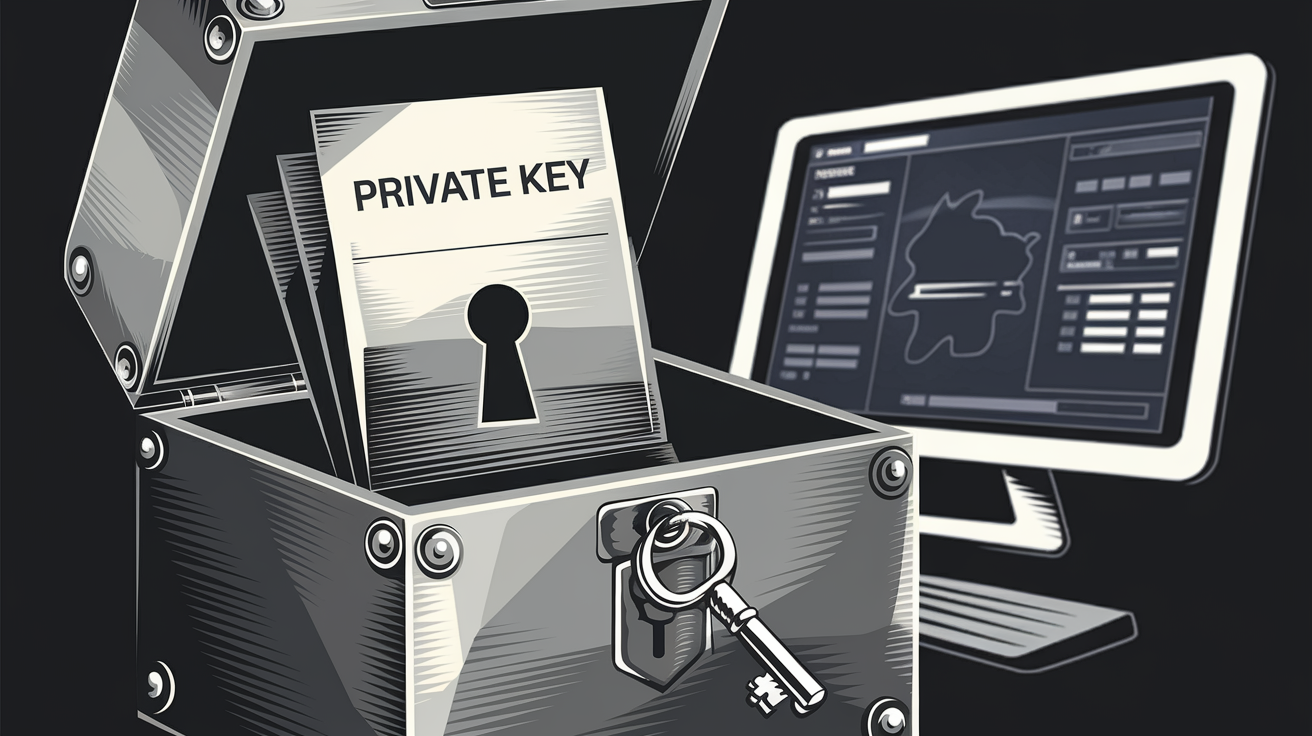
A seed phrase is a set of 12 or 24 words by which a wallet is restored on any compatible device. It is your account written out in words on a slip of paper: whoever holds the phrase controls the coins, no matter what safe the device sits in. Treat it like cash in hand, and the rule here is single and hard, the phrase lives offline only.
Write it by hand on paper, or better on metal, and make no digital copies at all. A cloud note, a screenshot on the phone, a shot in the gallery, a message sent to yourself, sooner or later any such trace surfaces where it should not. Separately on phishing: no real service will ever ask for your seed phrase, and if it is requested, you are facing fraudsters for certain. Go to exchanges and wallets only through your own bookmarks, not via links from emails, and turn on two-factor verification everywhere you can.
And here is my contrarian stance, not advice to you personally but how I look at risk. In 2026 the main danger is no longer a hardware hack but social engineering with fake videos and voices from neural networks. No Ledger will save someone who was calmly talked into entering the seed phrase himself under a convincing deepfake. So I put the habit of verifying and not rushing above any device, and those who fall for such persuasion are most often the ones hurrying after easy profit, as in the rest of the risks and deception schemes in crypto.
In short: The seed phrase is access to everything in the form of 12 or 24 words, so offline only and no photos or cloud; in 2026 the scarier thing is not a hack but being talked into entering the phrase yourself under a deepfake.
Setting it up safely: where to buy, how to back up, where to split the funds
The brand on the box matters far less than two dull habits. First, buy the device only from the manufacturer or an official reseller, never a marketplace or private seller. A counterfeit unit can arrive pre-loaded with malware or, worse, a seed phrase already printed on a card in the box, and the moment you fund it the thief who printed it drains the wallet. A genuine device generates the seed in front of you on first setup; a wallet that hands you a ready-made phrase is a trap. Second, back up that seed the boring way: write it by hand or engrave it on metal, keep two copies in two separate places, and never let a digital copy exist. Before trusting the backup, restore a tiny amount from it once to prove it works.
After that, a few standing rules carry most of the safety. Keep the split simple: roughly a tenth on the exchange or a hot wallet for what you actually move, the rest in cold and left alone. For a serious sum, multi-signature raises the bar: several independent keys must agree before any coin moves, so one stolen key is not enough. And one thing almost nobody plans for is inheritance: in crypto there is no bank to call, so if no one you trust can reconstruct access, the coins simply die with you. A sealed instruction left with a will turns a tragedy into a recoverable event. None of this is exotic, it is the same discipline as a stop-loss, set up once and followed.
In short: Buy the device only from the official maker (a pre-filled seed in the box is a scam), back the seed up by hand or on metal in two separate places and test a small recovery, keep roughly 90 percent in cold and 10 on the exchange, use multi-signature for large sums, and leave a way for someone you trust to recover the coins if something happens to you.
Exchange or your own wallet: where to keep crypto in the end
When coins sit on an exchange, it is the exchange that controls the keys, not you. That is custodial storage, and it is exactly what gave birth to the saying, not your keys, not your coins. If a third party owns the keys, then in fact it manages the coins, and the stories of frozen withdrawals and collapsed venues have repeated more than once, from Mt. Gox to FTX, where people lost everything at once.
How I look at it from a risk standpoint, again not a directive but a general principle: large sums are not kept on an exchange. The scheme is simple and the same for many: a small part for active operations sits on the exchange or in a hot wallet, while the main capital for the long haul goes into cold. Crypto is volatile and weakly regulated, so an extra cold layer is not paranoia but the norm. My main takeaway over the years: what ruins beginners is not a leaky wallet but the habit of putting everything in one basket and leaving it on the exchange because it is easier. I treat money on an exchange like money in a pocket, only as much as I would not mind carrying, the rest sits at home in a safe. The choice of a specific model is secondary for me; primary is the very habit of separating the trading and the savings wallet, and that separation I advise setting up from the very first day, so as not to fall into the typical beginner mistakes.
In short: Not your keys, not your coins: keep only the trading remainder on the exchange, the main capital in cold, and people lose more often not because of the wallet but because of storing everything in one place.
Frequently Asked Questions
The main capital is safer in a cold wallet with no internet connection, better on a hardware device like Ledger or Trezor. On an exchange it is worth leaving only what you are trading right now, because there the keys do not belong to you.
A hot wallet is connected to the internet and handy for frequent operations, but because of that link to the network it is vulnerable to hacks and phishing. A cold wallet keeps the keys offline and is protected from remote attacks, but is inconvenient for daily trading.
No. The seed phrase must live offline only. A photo in the gallery, a screenshot, a note in the cloud, or a message to yourself in a messenger is a direct path to theft, because any such file can leak.
Only from the official manufacturer or an authorised reseller, never a marketplace listing or a private seller. A counterfeit device can ship with malware or a seed phrase already printed in the box, and funding it hands your coins straight to the scammer. A genuine wallet generates the seed in front of you on first setup; a ready-made phrase is always a trap.
If you lose the seed phrase and also lose access to the device, the coins are gone for good: there is no support line and no recovery in crypto. That is why the seed is backed up by hand or on metal in two separate offline places. Losing it, not being hacked, is the most common way people lose crypto.
Only for active trading and small amounts. On an exchange the coins essentially do not belong to you, the venue controls the keys, and it can be hacked or freeze withdrawals, which has happened more than once in the history of crypto.
About the Author
Author: Igor Arapov — independent researcher in the psychology of investment decisions and behavioral finance, practising trader since 2013, founder of arapov.trade, author of a trading book series (ORCID: 0009-0003-0430-778X).