A neural network is a tool for analysis, not a profit button, and it can't predict an exact price any more than a human can. Its strength lies elsewhere: chewing through a mountain of data fast, filtering instruments, picking apart your own trades. And money on the market is made not by guessing the future but with probabilities and a positive expected value over the long run.
Ads for smart trading bots are popping up everywhere in 2026, and nearly every one promises the neural network will do the work for you. I trade by volume and the Wyckoff method, and no AI has become a holy grail for me, nor is it able to. As a helper for analysis it can be useful, though, if you see its limit clearly. I've been in the market for years, and over that time I've become convinced that guessing the future is a waste, while thinking in probabilities genuinely works. Let's calmly sort out what AI in trading even is, whether it can predict a price, what it does in practice, and why it doesn't cancel method and discipline.
In this article we'll cover:
- AI in trading is an analyst in a dialogue format, not a bot that trades for you;
- neither a neural network nor a human will predict an exact price, especially over a horizon of months;
- the real use of AI is a mirror of your own trading, not a market forecast;
- money is made with probabilities and expected value, while guessing leads to a blown account.
First let's agree on terms: what's actually hiding behind the words AI in trading, and what good it does a trader.
What is AI in trading, and what is it for a trader?
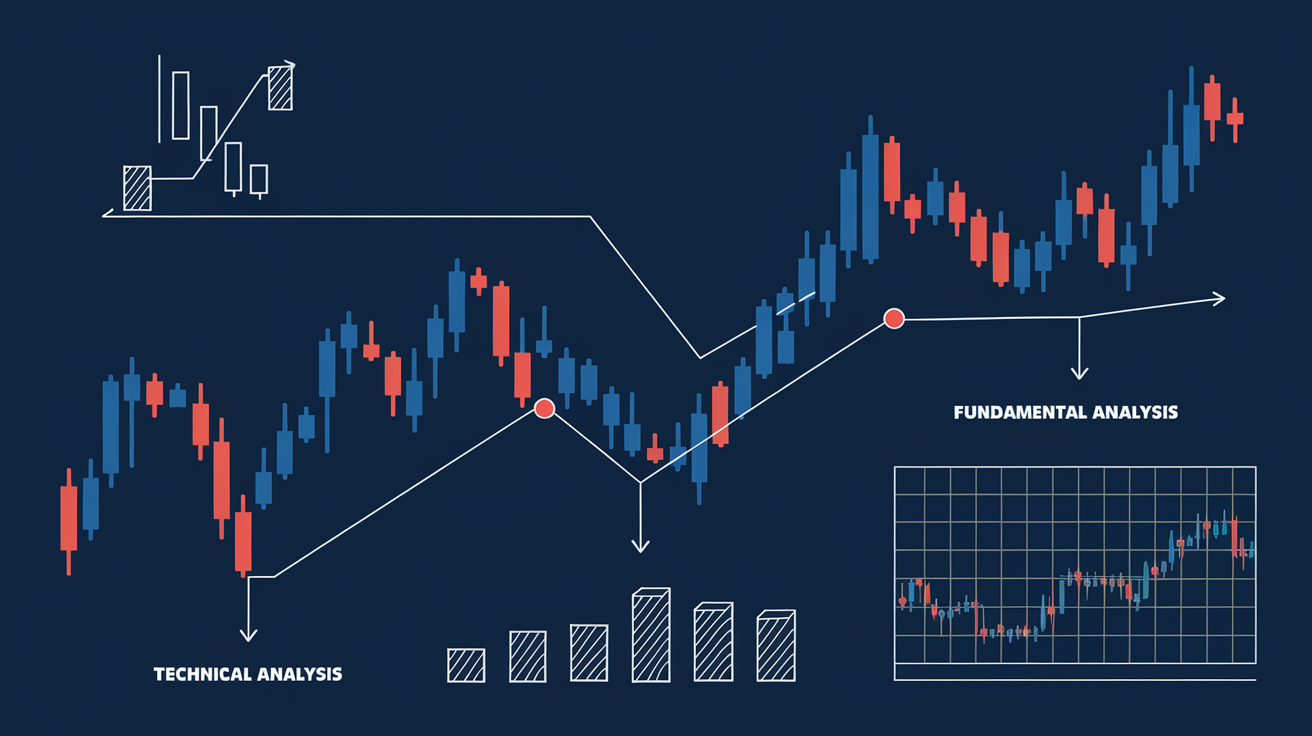
AI in trading is the use of neural networks and machine learning to analyse the market: processing data, finding patterns and preparing probable scenarios. In practice it usually means chat services and analytical models that help a trader think rather than trade for them.
The benefit here is quite tangible. What a person hasn't the eyes or the time for, a neural network combs through in seconds: price history, volumes, the noise of the news, the statistics of your own trades. The routine is lifted off you, and what slipped past surfaces. Just keep one thing in mind: the bulk of ordinary services don't press the buy button for you and doesn't touch account management; their role is that of a conversational analyst. You feed in data, frame a question, take away the breakdown, while the final decision and all the risk rest with you. The frame is honest: the machine prompts, you answer. And here we arrive at the hottest part: whether such a companion can truly peer into tomorrow's price.
In short: AI in trading is an analyst in a dialogue format: it sifts data and hands you probable scenarios, but it doesn't execute the trade or manage the account, the decision and the risk stay on you.
Can a neural network predict the price of a stock or bitcoin?
The short answer is an awkward no, and that's not about the weakness of a particular model but about how the market is built. There's a good thought on this: if a way to predict quotes exactly ever appeared, the market would simply vanish, because there'd be no one left to trade with. A price is always the balance of expectations of a multitude of participants, and it shifts exactly when those expectations shift, not on a schedule you can compute in advance.
Add news and emotion. A huge share of sharp moves is born not of logic but of the crowd's reaction, of fear and greed, of panic over a single headline. Such bursts barely yield to calculation, because they're irrational by nature. Technically the neural network has its own ceiling: over a day or two it still catches something, but towards a month or three its accuracy slides below half, that is down to the level of a coin flip. And here's what's important to grasp about the big players. Even corporations with incomparable compute run neural networks not for prophecy but for a tiny statistical edge over short intervals: they catch a barely visible advantage and skim it off a vast number of trades. Retail, meanwhile, is sold something else entirely: the promise of an exact forecast that doesn't exist. And a simple sanity check: if someone really could predict the price exactly, they'd quietly grow rich on it rather than sell you a subscription. Why the very attempt to forecast drives a beginner into a trap I show in the video on price forecasting.
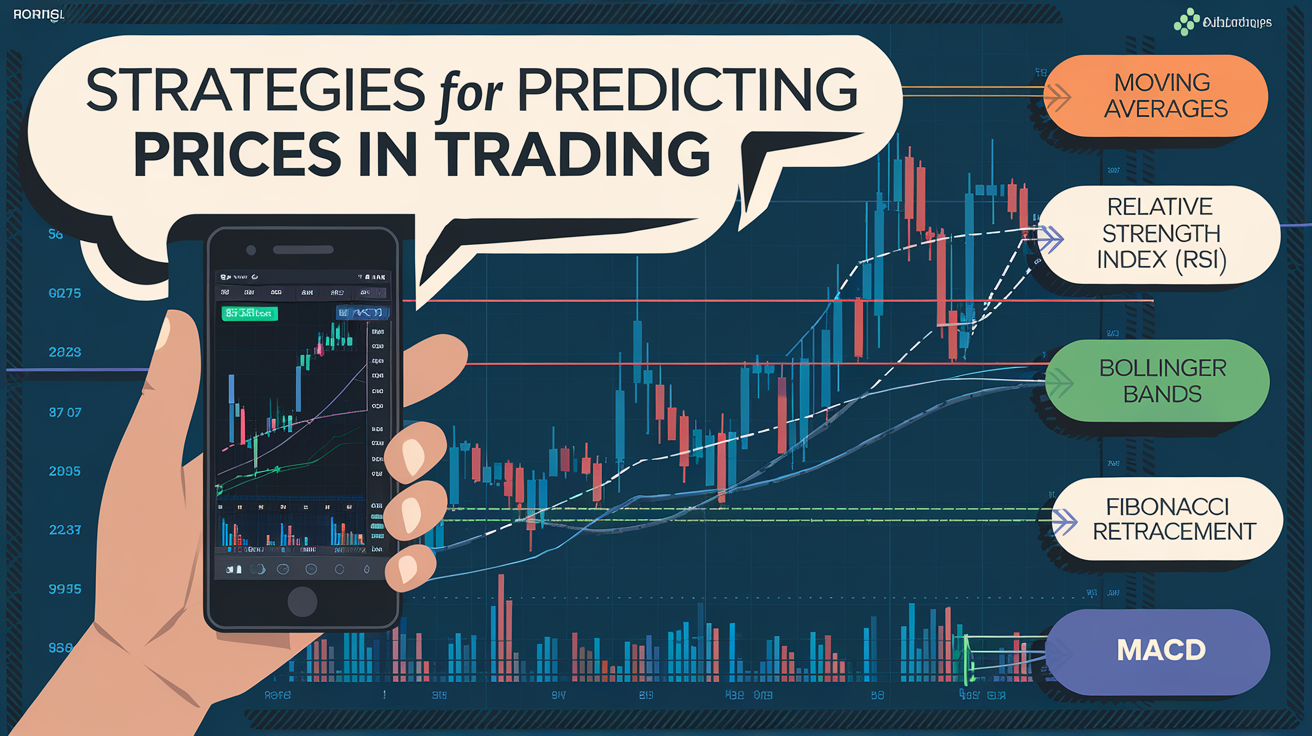
In short: There's no exact forecast, from AI or a human: over a day or two a model still catches something, but towards a month or three its accuracy falls to random, because price is moved by the crowd's expectations and big capital, not a schedule.
What neural networks can really do, and what they can't
Where AI is genuinely good is in grinding through and dissecting data. It neatly throws out the illiquid, pulls together the statistics on your trades, stress-tests the logic of a strategy and points at its holes. As an analytical assistant it's a reliable helper, and there's no arguing with that.
Let me show where the real use is. Hand the neural network a table of your trades, and in a minute it'll surface which hours and which instruments you bleed on more often and where your discipline falls apart. By hand you'd be picking at that all evening. That's where the true value of AI sits: it doesn't guess about the market, it reflects your own trading. The cleaner the data in, the smarter the breakdown out, only it's still a slice of your past, not a hint about future quotes. The flip side deserves saying plainly too. AI doesn't guarantee profit, doesn't execute trades without a hitch, doesn't guess the news or the market's mood. Everything it puts out is only probable scenarios, and misfires in them are par for the course, something the services' own creators warn about openly. And here sits the main technical trap, its name overfitting, when a model retells the past all the more precisely the more helplessly it responds to the present, and a system polished to the history seizes up the moment the market changes its behaviour. So the trouble isn't AI itself but the habit of taking its answer for a ready buy signal. In spirit it's exactly the same trap as ordinary trading indicators: a fancy arrow you're tempted to hide your decision and your responsibility behind.
In short: AI's strength is dissecting your own data: load your trade journal and you'll see when and on what you lose more often; but it's a mirror of the past, not a forecast, and because of overfitting a model works the worse in the present the more tightly it's fitted to history.
Why AI won't replace your trading method and discipline
The neural network's main boundary is that its knowledge comes from the past, while the market doesn't freeze for a single day. What worked in the data of earlier years easily misfires tomorrow, because both the participants and the whole backdrop have changed. And the cleverer the model, the more tightly it clings to history and the worse it recognises what's happening in the moment. On top of that lie news and the crowd's mood, which account for a fair share of sharp moves and which calculation can barely handle.
Hence the moral isn't that AI is useless, but that it has its own rightful place. On top of your system a neural network can be a useful helper, but it can't stand in for it. The entry point, the stop level and the size of the risk are still set by your trading system and by you behind it. With me AI manages nothing: I read the chart through volume and levels, leaning on the Wyckoff method, and I hold the risk myself, around one to two percent per trade. And here's the core no model can reach: it won't hold discipline in your place, and it's discipline, not a neural network, that draws the line between profit and a blown account. This isn't a directive aimed at you personally, but a description of how my approach is built.
In short: AI learns on the past, while the market is reshaped by new participants and the crowd's emotions, so keep it an assistant on top of your system: the entry, the stop and a one-to-two-percent risk are decided by your method on volume and levels, not by a model's prompt.
How to earn without guessing: probability and expected value
Since the price can't be predicted, a fair question arises: how does one earn at all. The answer lies in changing the goal itself. Prediction tries to declare in advance what will happen; probability weighs what's more worthwhile to do right now, by the facts on the chart. I don't guess the future. I look at something else: where big capital is working on the market and whose side it's on. That shows up in volume and in the price's reaction to levels, not in a predicted number.
And what brings you out in the black isn't luck but expected value, the averaged outcome of trades over a long stretch, where both profits and losses are tallied up. Let me put it plainly. There's no need to guess every trade; some of them will inevitably go into the red, by my experience roughly a third out of a hundred. One thing matters: that the profitable trades outweigh the losing ones in sum, and that's achieved by the ratio of risk to reward. I risk one, I take three, and on that arrangement the system stays in the black even at forty percent wins. The arithmetic plays for me as long as I hold to the rules. There's a nuance too: losses come not evenly but in streaks: five or six minuses in a row is normal variance, so the risk per trade is kept tiny, otherwise a streak knocks out the account before the statistics get to play. What keeps the account alive is precisely risk control, not the accuracy of a forecast. This arithmetic I lay out in more depth in the course section on expected value, and how to read the chart itself by levels, without guessing the future, I cover in the material on chart reading.
In short: Don't guess a number, read volume and big capital by Wyckoff: at 1 to 3 the system is in the black even at forty percent wins, losses come in streaks, so the risk per trade is tiny and always with a stop.
Frequently asked questions
Reliably no, and that applies to a neural network and a human alike. AI catches patterns in past data well and hands out probable scenarios, but as the horizon lengthens its accuracy falls, and already over a month to three it drops below half, that is to random guessing. A price changes when the crowd's expectations and big capital's actions change, not on a schedule you can compute in advance.
It's the use of neural networks and machine learning to dissect the market: grind through data, find patterns and assemble probable scenarios. In practice it's most often chat services and analytical models whose job is to help you think, not to press buttons for you. Such services usually take on neither the trades nor account management.
Its strength is not in predicting the market but in working with your own history. Give it a trade journal, and in a minute you'll get a picture of where and when you lose more often and at which moments discipline breaks down. It will also filter out the illiquid, stress-test a strategy's logic and point at its weak spots. But all of that reflects your past, not a glimpse of the future, and it promises no profit.
No. A neural network's knowledge is drawn from the past, while the market is endlessly recut by fresh participants, news and the crowd's mood, so a model goes stale, and a sophisticated one also clings to history through overfitting. Its place is a helper on top of your system, not in its place. Where to enter, where to set a stop and what risk to run are decided by method and discipline, not a model's answer.
Through a positive expected value, not through guessing every trade. At a risk-to-reward ratio of one to three, the system stays in the black even at forty percent profitable trades. About a third of trades are inevitably losing, and losses come in streaks, so the risk per trade is kept tiny, around one to two percent, and always with a stop.
About the Author
Author: Igor Arapov — independent researcher in the psychology of investment decisions and behavioral finance, practising trader since 2013, founder of arapov.trade, author of a trading book series (ORCID: 0009-0003-0430-778X).