What Ethereum Does Beyond Being a Coin
The headlines sell Ethereum on smart contracts and a whole ecosystem. For a trader that is mostly noise: ETH is the second cryptocurrency by market cap after bitcoin, yes, but first of all it is a high-volatility asset that moves in bitcoin's wake. In my experience it should be analyzed exactly like any other market, through levels and volume, not through the hype around the technology.
There is always a lot of technical noise around Ethereum: smart contracts, decentralized finance, tokens, and the rest. All of that matters to developers, but a trader by and large needs something else. To understand how ETH differs from bitcoin, how it moves, and where its risks are. That is what we'll focus on, with no extra theory about how the network is built.
In this article we'll cover:
- Ethereum is both the second cryptocurrency and a platform for applications, so ETH is valued as the fuel of a whole ecosystem;
- for a trader ETH is first of all a volatile asset that almost always moves in bitcoin's wake;
- I prefer to analyze ETH through levels and volume, like any market, not through the news background;
- the main risks here are volatility, thinner liquidity than bitcoin's, and the bugs in the contracts the network runs on.
Start with what Ethereum is and how it differs from bitcoin.
What is Ethereum and how does it differ from Bitcoin?
Ethereum is a decentralized blockchain platform for smart contracts and applications, with its own coin ETH that works both as an asset and as the payment for operations in the network.
The project was launched by Vitalik Buterin and a team in 2015. The key difference from bitcoin is in purpose. Bitcoin is first of all digital money and a store of value with a hard emission cap of 21 million coins. Ethereum, in turn, is a programmable platform on which applications are built, so ETH is valued not only as a coin but as the fuel of the ecosystem, and it has no hard emission cap. In 2022 the network moved from mining to a model where coins are not mined but locked in staking. The basic ideas about coins I cover in the piece on the basics of cryptocurrency.

In short: Ethereum is both the second cryptocurrency and a platform for applications, there is no hard emission cap, and since 2022 the network runs on staking, not mining.
What defines ETH: smart contracts, gas, staking, and The Merge
To understand ETH as an asset, it helps to see four things that make Ethereum what it is. The first is smart contracts: programs that run in the network on their own, with no intermediary, and it is on them that DeFi, NFTs, and thousands of tokens rest. That is why ETH is valued not as "one more coin" but as the fuel of a whole platform.
The second is gas (the gas fee), the payment for every operation in the network, counted in gwei (fractions of ETH). The heavier the load on the network, the dearer the gas, so at peak hours a transfer or a trade costs noticeably more, and sharp spikes in fees are a direct sign of a surge in activity. The third is staking: holders lock up ETH, help the network, and earn a percentage for it, while the locked share leaves the free float. The fourth is The Merge, the network's move in September 2022 from mining (Proof of Work) to staking (Proof of Stake). Energy use fell many times over then, and together with a mechanism that burns part of the fees, the supply of ETH in periods of high activity can even shrink. For a trader this is a structural backdrop worth keeping in mind alongside the chart.
This is also where something you cannot understand Ether without today belongs, the second layer, Layer 2. The Ethereum network itself is secure but slow, and at peak hours it charges a high gas fee. The fix was moved outside: separate fast networks were built on top of the main chain, rollups like Arbitrum, Optimism and Base, which run thousands of trades cheaply on themselves and then fold the result up and write it to the main Ethereum in one batch. So the user gets speed and a tiny fee, while reliability is still borrowed from the base network. For a trader this matters because a meaningful share of activity and liquidity has long lived on these L2s, not only on the main chain, and demand for Ether itself as the system's fuel rests partly on them.
In short: ETH is defined by smart contracts (a platform for applications), gas (the payment for operations, dearer under load), staking (income for locking up and less free supply), and The Merge (the move to Proof of Stake in 2022 with part of the fees burned).
Smart contracts: what they are and why their bugs are dangerous
Since the whole platform stands on them, it pays to know what a smart contract actually is, even from a trader's chair. It is self-executing code that lives on the blockchain and runs by itself the moment its conditions are met, with no person in the middle and no off-switch. The old picture for it is a vending machine: put in the right input, get the guaranteed output, no clerk required. On Ethereum these contracts are what the lending apps, the decentralized exchanges, the NFTs and the dollar-pegged stablecoins are all built from, and every action on them is paid for in ETH. That is the honest reason the ecosystem matters to a trader: it is not a story, it is the source of the fuel demand sitting under the price.
But the same trait that makes a smart contract trustworthy is also its trap. Once a contract is live, its code usually cannot be changed, so a bug in it cannot simply be patched. When code is law, a flaw is law too. The most famous case, The DAO in 2016, lost around fifty million dollars to a single contract weakness, and the network had to split to claw the money back. I do not trade smart-contract risk directly, but I keep it in view, because a protocol that markets itself as decentralized may still hide an admin key that can rewrite the rules behind your funds. So as a trader I stay on the chart and treat the application layer as a risk to respect, not a yield to chase.
In short: A smart contract is self-executing code with no off-switch that powers the DeFi, NFTs and stablecoins driving ETH demand, but once it is live its bugs cannot be patched, as the fifty-million-dollar DAO hack showed.
Technical analysis of Ethereum: levels and volumes
Good news for a trader: ETH is the same kind of chart as any other, and it trades by the same laws of supply and demand. I analyze it just like a futures contract or a currency: I build support and resistance levels, watch volume, and look for the traces of large capital, including false breakouts (when the price is driven past a level to collect stops) through which smart money builds a position.
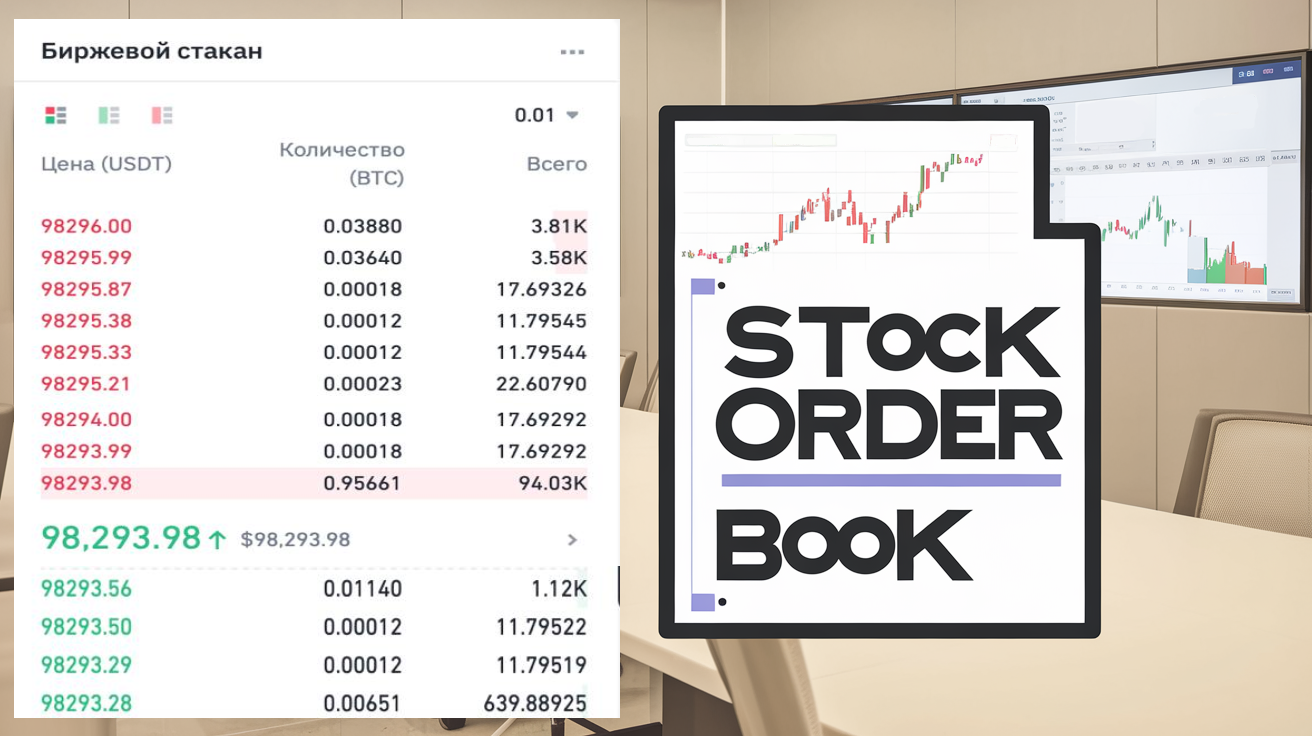
There is only one crypto caveat. On unregulated exchanges you can't trust volumes blindly, they can be painted, so I rely first of all on volume analysis and price behavior at important levels, not on a single number in the order book. Otherwise, trading crypto needs no special magic. How this works on crypto with a real example I show in the video on a liquidity grab on the bitcoin chart.
In short: ETH reads like any chart: levels, volume, false breakouts, only don't trust volume blindly on unregulated exchanges.
ETH/BTC correlation: how the ratio affects trading
The main thing to keep in mind when trading ETH: it depends heavily on bitcoin. Bitcoin is the engine of the whole crypto market, and when it falls, ether usually falls after it, often even sharper. So I never look at ETH apart from BTC: first I assess what bitcoin is doing, and only then do I think about ether.
A separate useful tool is the ratio of ETH to BTC. It shows relative strength: rising means ether is stronger than bitcoin, falling means weaker. By it you can conveniently tell where interest is flowing inside crypto, into the first coin or into altcoins like ether and Solana. This is not an entry signal by itself, but a context that, in my experience, helps you not to go against the general current of the market.
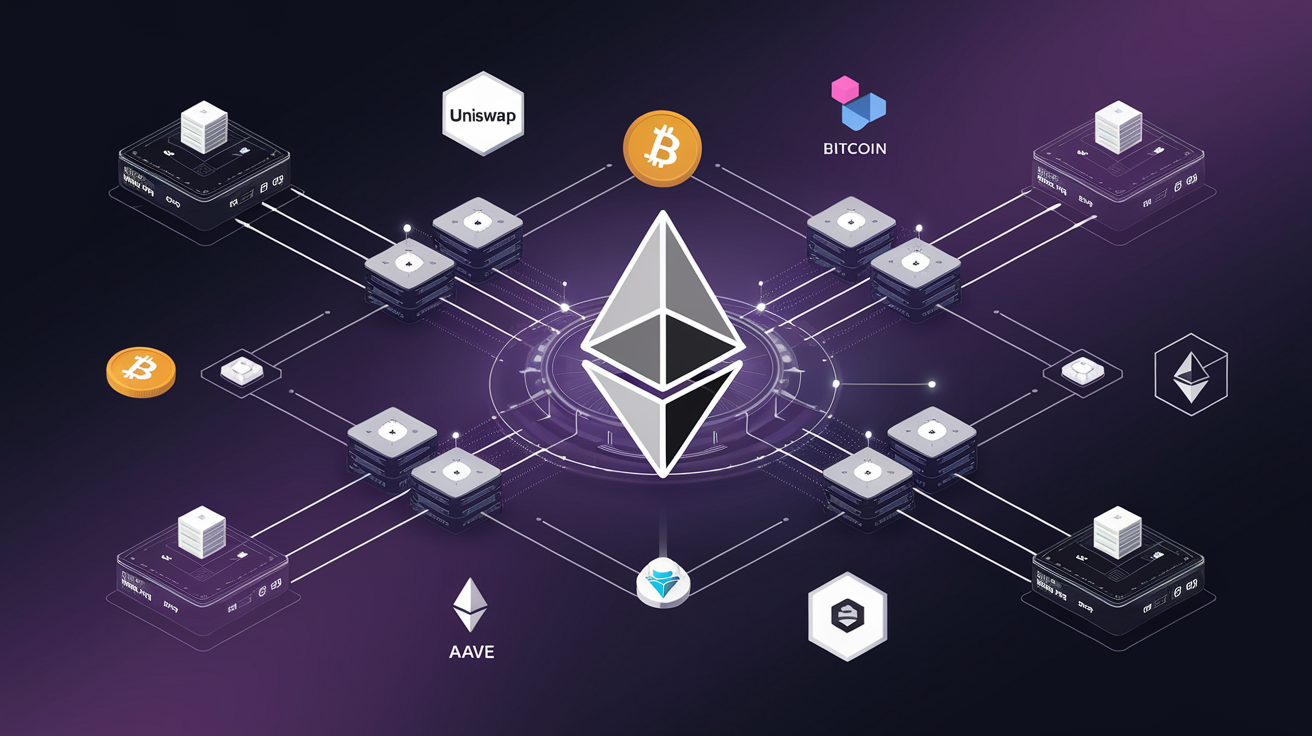
In short: Ether moves in bitcoin's wake, often sharper, so first watch what BTC is doing, and take the ETH/BTC ratio as strength context, not as a signal.
Risks of trading Ethereum: liquidity and volatility
The risks of ETH are the same as those of all crypto, only it is useful to know them well. The first is volatility: ether is capable of deep crashes following the market, and the moves here are sharper than on classic assets. The second is liquidity: it is high for ETH, but still lower than bitcoin's, so a large order moves the price more, and on a thin market it is easier to catch slippage.
Add regulatory uncertainty and the technical risks of the applications on the network, and the picture is complete. The main mistake with ether, in my experience, is to see it as a standalone story detached from bitcoin. I have traded for many years, I take crypto cautiously and consider it a young market with elevated risk, but my approach to the chart is the same everywhere: level, volume, the behavior of the large player, with no discount for technological hype. Most beginners find ether interesting because of the loud words about the ecosystem, but it should be traded like an ordinary volatile asset. If you decide to try, enter only with money you are ready to lose, always set a stop, and keep a small risk per trade. This is not advice for you personally, it is how I act: on a market like this, survival matters more than yield.
In short: The risks of ETH are volatility and thinner liquidity than BTC's, so trade it like an ordinary volatile asset, not like a story about the ecosystem.
Frequently Asked Questions
Bitcoin is first of all digital money with an emission cap of 21 million coins. Ethereum is a platform for smart contracts and applications, and its coin ETH also pays for operations in the network. In short: bitcoin is about storing value, ether is about programmability.
It is a self-executing program on the blockchain that runs by itself when its conditions are met, with no person and no off-switch in the middle. Like a vending machine: the right input gives a guaranteed output. DeFi, NFTs and stablecoins are all built from such contracts, and every action on them is paid for in ETH.
Just like any market: through support and resistance levels and through volume. I look for the traces of large capital and false breakouts. The only caveat is that volumes on unregulated exchanges can't be trusted blindly.
Because ether depends heavily on bitcoin and often moves after it. The ratio of ETH to BTC shows relative strength: rising means ether is stronger than the market, falling means weaker. It is useful context before a trade.
High volatility, dependence on bitcoin, and thinner liquidity than BTC's, plus regulatory and technical risks. That is why risk control, a stop-loss, and entering only with funds you can afford to lose are especially important.
Gas is the payment for every operation in the network, counted in gwei (fractions of ETH). The size of the fee depends on the network load: the more people want to push transactions through, the dearer the gas. So at peak hours transfers and trades cost noticeably more, and sharp spikes in fees usually coincide with surges of activity in the network.
About the Author
Author: Igor Arapov — independent researcher in the psychology of investment decisions and behavioral finance, practising trader since 2013, founder of arapov.trade, author of a trading book series (ORCID: 0009-0003-0430-778X).