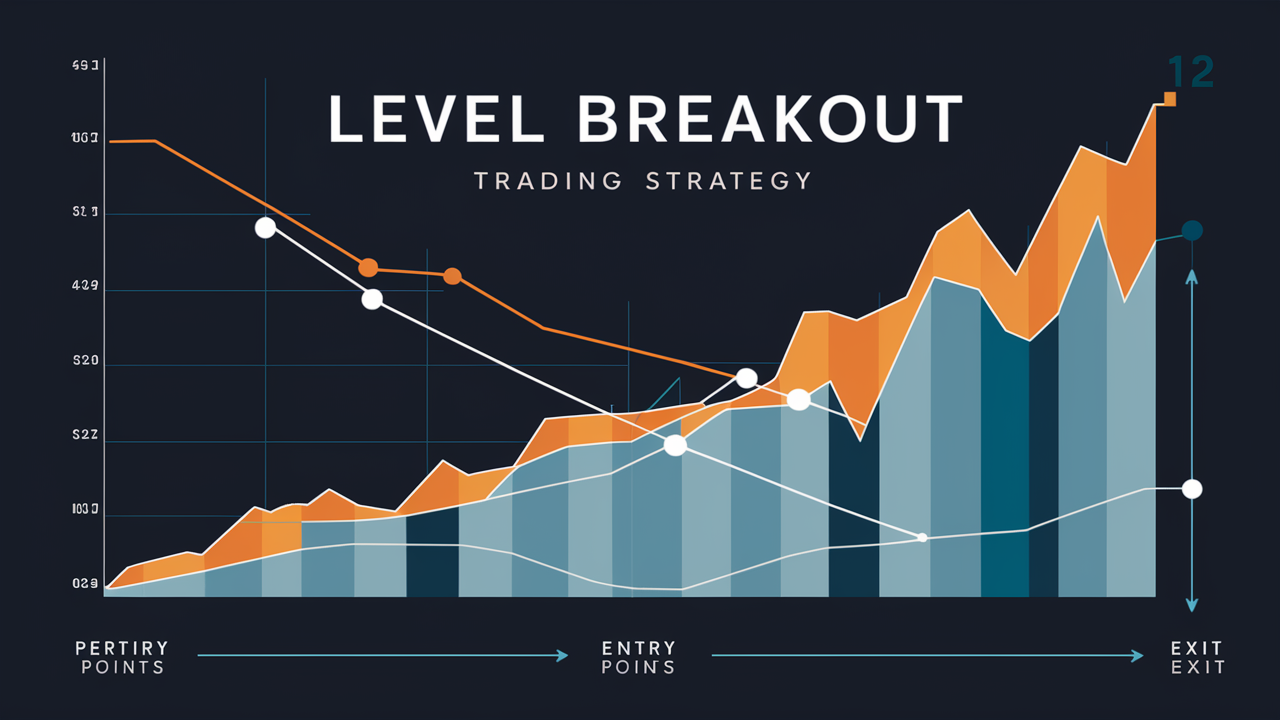
Solana emerged as a leading alternative to Ethereum, promising unprecedented transaction speeds at minimal costs. For traders, SOL offers high volatility, strong liquidity, and clear fundamental catalysts tied to ecosystem development. Understanding Solana's unique technology and market dynamics provides edge in trading this prominent altcoin .
The network processes over 65,000 transactions per second with sub-second finality, dwarfing Ethereum's capabilities. This performance attracted developers building decentralized applications requiring high throughput. The resulting ecosystem growth drives fundamental demand for SOL tokens used for transaction fees and staking .
Technical Architecture
Proof of History represents Solana's core innovation—a cryptographic clock ordering transactions before consensus. Traditional blockchains spend significant resources agreeing on transaction order. PoH pre-establishes this ordering, dramatically reducing validator coordination overhead.
Tower BFT builds upon PoH for practical Byzantine fault tolerance. Validators vote on blocks using PoH as reference, enabling rapid finality without extensive communication rounds. This architecture achieves high TPS while maintaining security guarantees.
The tradeoff involves higher hardware requirements for validators compared to other networks. This concentration of validation power raises decentralization concerns among critics. Traders should monitor validator distribution as a network health indicator.
Ecosystem Fundamentals
DeFi protocols on Solana benefit from low fees enabling frequent transactions impractical on Ethereum. Decentralized exchanges, lending platforms, and yield aggregators flourish in this environment. TVL across Solana DeFi serves as key fundamental metric for SOL valuation.
NFT marketplaces found natural home on Solana where minting and trading costs remain accessible. Magic Eden and other platforms drive significant network activity. NFT trading volumes indicate retail engagement levels affecting SOL demand.
Developer activity metrics reveal ecosystem trajectory. GitHub commits, new project launches, and hackathon participation signal builder interest. Growing developer engagement precedes ecosystem expansion benefiting SOL price.
Network Challenges
Solana experienced multiple network outages disrupting trading and damaging confidence. Congestion from bot activity and spam transactions overwhelmed validators. Each outage triggered significant SOL selloffs as traders questioned network reliability.
Recovery from outages demonstrates network resilience while highlighting ongoing challenges. Engineering improvements address specific failure modes, but complete solutions require fundamental protocol changes. Traders should monitor network status during high-activity periods.
Competition from other high-performance chains pressures Solana's market position. Avalanche, Polygon, and emerging networks compete for developers and users. Maintaining technological edge requires continuous innovation.
Market Dynamics
SOL correlation with Bitcoin determines primary trend direction. During risk-on crypto phases, SOL typically outperforms Bitcoin with higher beta. Risk-off periods see amplified declines. Using BTC as directional filter improves SOL trading accuracy.
Ethereum relationship matters for positioning. SOL often trades as "Ethereum alternative" narrative—ETH weakness sometimes benefits SOL as capital rotates. However, broad crypto selloffs affect both simultaneously.
Token unlock schedules from early investors and team allocations create supply pressure at known dates. Large unlocks approaching trigger anticipatory selling. Tracking vesting schedules helps avoid adverse positioning.
Technical Analysis
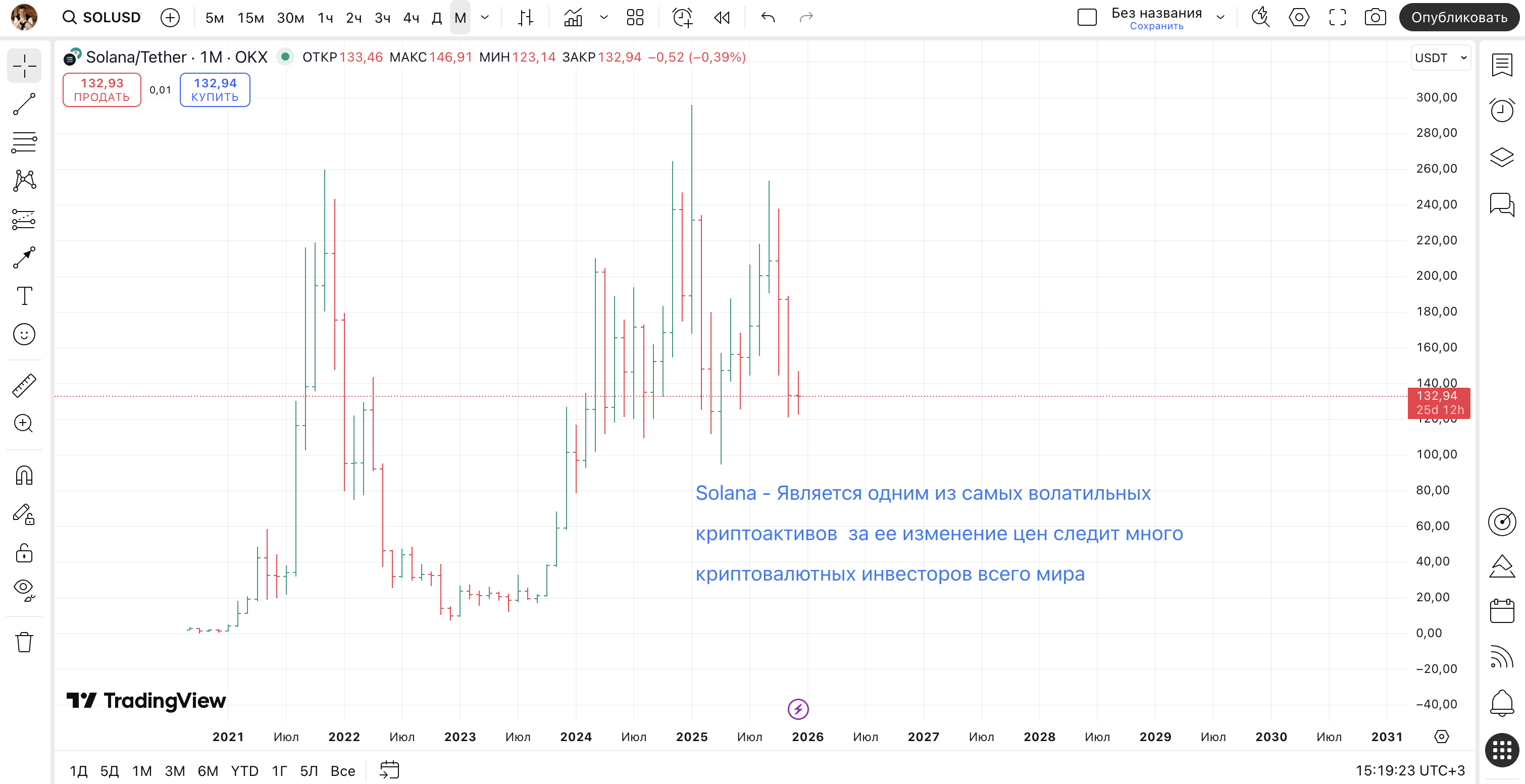
SOL respects technical levels despite high volatility. Historical support and resistance from major swing points provide reliable references. The psychological importance of round numbers like $50, $100, $150 creates predictable reaction zones.
Volume analysis reveals institutional activity patterns. High volume breakouts from consolidation suggest genuine directional intent. Low volume rallies into resistance frequently reverse. On-chain data supplements exchange volume for comprehensive view.
Moving averages help identify trend phases. The 50 and 200-day averages work effectively for swing trading timeframes. Golden and death crosses generate reliable signals given SOL's trending nature.
Staking Considerations
Staking SOL earns rewards while securing the network. Current yields provide passive income for holders. However, staked tokens have unstaking periods limiting trading flexibility during volatile markets.
Epoch boundaries mark reward distribution periods. Understanding epoch timing helps optimize staking entry for maximum rewards. Liquid staking derivatives enable staked SOL trading without unstaking delays.
Staking ratio affects circulating supply dynamics. High staking percentages reduce liquid supply, potentially supporting prices. Unstaking waves during price declines increase selling pressure.
Trading Strategies
Trend following captures SOL's extended directional moves. Entering on pullbacks to moving averages within established trends improves risk-reward. Trailing stops protect profits while allowing trend continuation.
News cryptocurrency trading around ecosystem developments offers opportunities. Major protocol launches, partnership announcements, and network upgrades move prices significantly. Positioning ahead of known catalysts requires careful risk management.
Range trading suits consolidation periods between major moves. Fading extremes within defined ranges captures mean reversion profits. Breakout confirmation exits range positions for trending approaches.
Risk Management
Crypto volatility demands conservative position sizing. Daily moves of 10-20% occur regularly, with 30%+ swings during major events. Standard forex position sizes prove inappropriate for SOL's magnitude of moves.
Weekend gaps and 24/7 trading create continuous exposure. Unlike traditional markets, crypto news breaks constantly. Position sizing should account for inability to exit during adverse overnight moves.
Exchange counterparty risk requires attention. Distributing holdings across multiple platforms reduces concentration risk. Cold storage for longer-term positions eliminates exchange exposure entirely.
Platform Selection
Major centralized exchanges offer SOL spot and derivatives trading. Binance, Coinbase, and Kraken provide reliable access with varying fee structures. Perpetual futures enable leveraged exposure and short selling.
Decentralized exchanges on Solana itself enable native trading. Jupiter aggregates liquidity across Solana DEXs for optimal execution. On-chain trading eliminates counterparty risk but requires wallet management.
CFD brokers offer SOL exposure through traditional brokerage accounts. Regulatory protections and familiar interfaces attract traditional traders. Overnight financing costs affect longer holding periods.
Conclusion
Solana represents a unique opportunity for active traders who understand the balance between technical innovation and market risk. Proof of History and network architecture create an ecosystem attracting developers and users, transforming into clear price catalysts. Unlike many altcoins, SOL has real functionality supporting long-term potential.
The key to successful SOL trading is understanding its correlation with Bitcoin as primary directional filter and monitoring fundamental ecosystem metrics: DeFi TVL, NFT marketplace activity, and developer engagement. Technical analysis works reliably on this asset thanks to strong liquidity and institutional participation. Clear support/resistance levels and candlestick patterns regularly generate quality trading signals. To reinforce the material, also study cryptocurrency basics .
However, crypto volatility demands discipline in risk management. Positions must be significantly smaller than traditional forex sizes, stops wider, and cold storage for long-term holdings mandatory. Monitoring network health, validator distribution, and token unlock schedules helps avoid adverse positioning before known supply events.
Practice all strategies on demo accounts, recognize trading regimes, and adapt to market conditions. Solana awaits patient traders who respect volatility and combine fundamental understanding with technical precision. Maintain discipline, manage risks meticulously, and unlock the opportunities this dynamic cryptocurrency asset offers. Success requires viewing SOL not as gambling instrument but as legitimate tradeable asset worthy of systematic analysis.
Frequently Asked Questions
Solana uses Proof of History consensus enabling 65,000+ TPS with sub-second finality and fees under $0.01. Ethereum processes 15-30 TPS with higher fees. Solana sacrifices some decentralization for speed.
Proof of History is Solana's innovation creating cryptographic timestamps before consensus. This pre-ordering reduces validation overhead, enabling high throughput without sharding.
Network congestion from bot activity and spam transactions has caused outages. Validators get overwhelmed processing excessive transactions. Updates continue improving network resilience.
Key drivers: DeFi TVL growth, NFT marketplace activity, developer adoption, network upgrades, Bitcoin correlation, and overall crypto market sentiment.
SOL offers high volatility suitable for active trading. Strong liquidity on major exchanges, clear technical levels, and ecosystem catalysts create regular opportunities.
About the Author
Author: Igor Arapov — independent researcher in trading psychology and behavioral finance, practising trader since 2013, founder of arapov.trade, author of a trading book series (Open Library ), (ORCID: 0009-0003-0430-778X ).