Among cryptocurrencies available for trading, XRP stands apart due to its institutional focus and real-world payment applications. Created to solve banking inefficiencies in cross-border transfers, this digital asset bridges traditional finance and blockchain technology. Understanding its unique characteristics helps traders navigate this volatile market segment.
Global cross-border payments total trillions annually, plagued by delays, high fees, and capital inefficiencies. RippleNet addresses these problems, positioning XRP as the native asset for instant settlements. This practical utility differentiates XRP from purely speculative cryptocurrencies while attracting both institutional interest and regulatory scrutiny.
XRP Ledger Architecture
The XRP Ledger operates through federated consensus rather than energy-intensive mining. Designated validators confirm transactions within seconds, enabling throughput exceeding 1,500 transactions per second. Transaction finality occurs in approximately four seconds with fees measured in fractions of pennies.
A Unique Node List determines participating validators, raising centralization questions while ensuring consistent performance. Critics point to controlled validator selection, supporters emphasize network stability. Traders should weigh these architectural trade-offs when assessing long-term prospects.
The escrow mechanism controls XRP supply significantly. Ripple Labs locked 55 billion tokens in cryptographically secured escrow, releasing up to one billion monthly. Unused portions return to escrow, creating predictable supply schedules for fundamental analysis.
RippleNet and Banking Integration
RippleNet connects financial institutions globally for optimized cross-border settlements. The network claims over 300 participants across 40+ countries. Banks and payment providers access various products for accelerating international transfers.
On-Demand Liquidity represents RippleNet's flagship offering using XRP directly. Instead of maintaining pre-funded nostro accounts, institutions convert local currency to XRP, transfer instantly, and convert to destination currency. This substantially reduces capital requirements for participating banks.
ODL corridor growth provides measurable adoption metrics. Ripple publishes quarterly reports detailing transaction volumes. Rising ODL utilization suggests genuine institutional demand, while declining volumes raise adoption concerns. Partnership announcements historically trigger significant price reactions.
SEC Litigation Impact
The December 2020 SEC lawsuit fundamentally altered XRP market dynamics. Allegations that XRP sales constituted unregistered securities created unprecedented regulatory risk. Trading strategies must incorporate litigation developments as primary price drivers.
Court filings, hearings, and rulings generate extreme volatility windows. Favorable interpretations spark rallies of tens of percentage points within hours. Adverse developments trigger equally dramatic selloffs. Traders without monitoring systems operate at significant informational disadvantage.
The July 2023 summary judgment delivered mixed results. Programmatic sales through exchanges were deemed not securities, while institutional sales violated laws. Exchange delistings demonstrated real consequences—major US platforms suspended XRP trading, with subsequent relisting announcements triggering rallies.
Technical Analysis Approaches
As we discussed in the article cryptomarket analysis , XRP technical patterns reflect both crypto-market correlations and asset-specific catalysts. During quiet periods, price action follows Bitcoin's direction. Strong Bitcoin rallies typically lift XRP with amplified percentage gains characteristic of higher-beta altcoins.
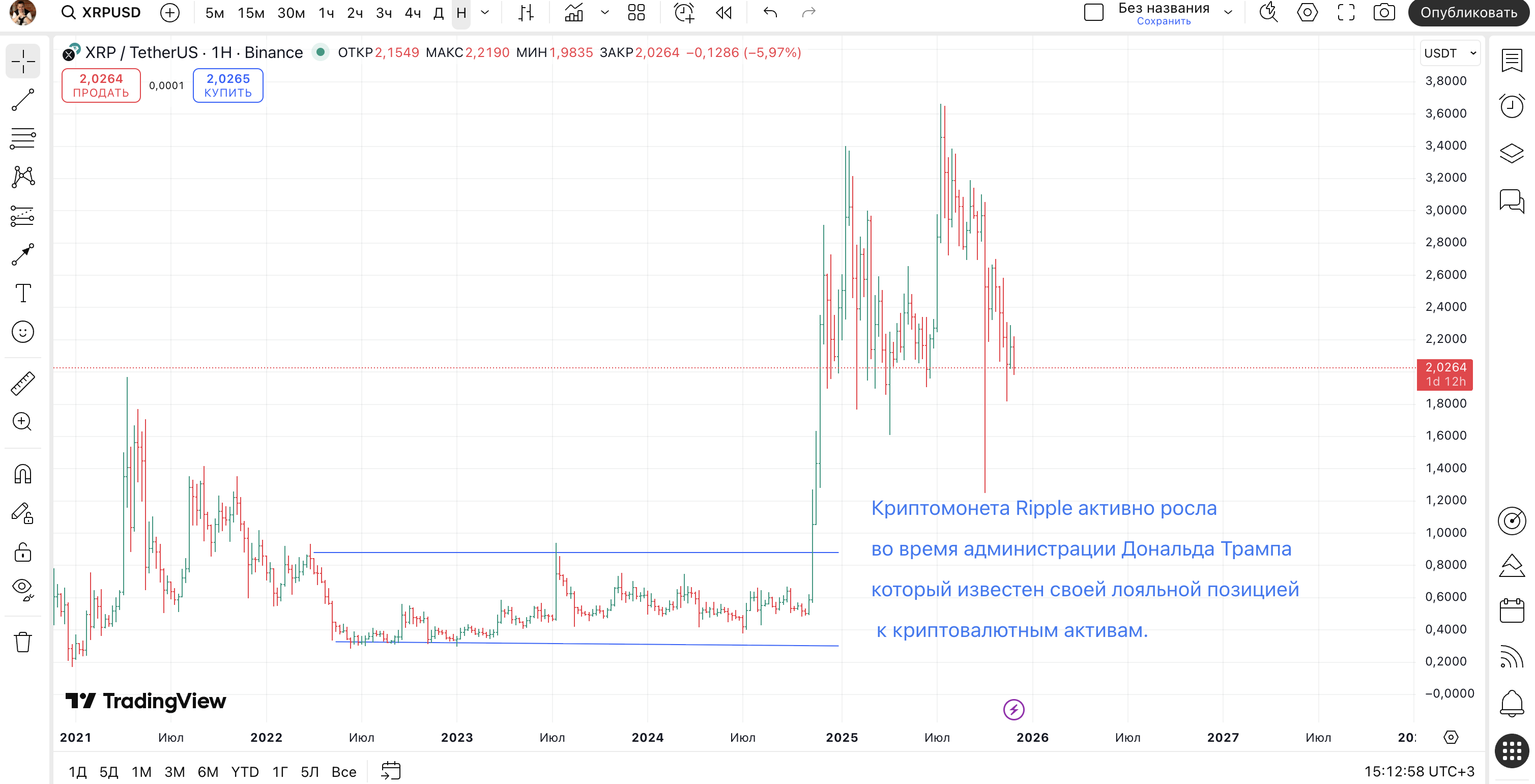
Key psychological levels anchor analysis. The one-dollar threshold demonstrates significance as both resistance and support. Historical prices around fifty cents and two dollars similarly influence trader behavior. The 2018 all-time high near $3.84 remains the ultimate resistance target requiring substantial inflows and regulatory clarity.
Moving average configurations help identify trend direction. The 200-day simple moving average separates bullish and bearish regimes. Price crossing above with volume confirmation often initiates sustained uptrends. Volume analysis proves particularly important—breakouts with elevated volume carry higher continuation probability.
On-Chain Intelligence
Whale transactions provide valuable intelligence unavailable in traditional markets. Blockchain transparency allows tracking large holder movements in real-time. Services alerting to major transfers enable anticipating selling or accumulation pressure.
Exchange inflow metrics signal potential selling interest. Large XRP transfers to exchange wallets often precede distribution. Conversely, outflows to cold storage suggest accumulation. Network activity metrics—active addresses, transaction counts—reveal organic usage beyond speculation.
Trading Strategies
News cryptocurrency trading dominates XRP strategies given regulatory sensitivity. Establishing positions before announcements carries substantial risk but offers asymmetric payoffs. Conservative approaches wait for initial reaction confirmation before entering directional trades.
Trend following works during extended moves. Entering on pullbacks to moving averages within established trends reduces entry risk while maintaining participation. Range trading suits regulatory quiet periods when XRP oscillates between boundaries—fading moves toward range extremes captures mean reversion profits.
Correlation trading exploits XRP's relationship with Bitcoin. When Bitcoin initiates strong moves, XRP typically follows with lag, creating positioning opportunities. However, XRP-specific news can temporarily decouple correlation, requiring continuous monitoring.
Risk Management
Position sizing demands conservatism given extreme volatility potential. Standard cryptocurrency limits may prove insufficient during news events. Reducing sizes during high-risk periods protects capital from adverse outcomes.
Leverage constraints differentiate surviving traders from liquidated ones. Responsible XRP trading rarely exceeds two or three times leverage. Twenty percent daily moves transform modest leverage into account-threatening losses. Stop placement requires accounting for volatility—tight stops trigger frequently, distant stops expose excessive capital.
Calendar awareness protects against foreseeable events. Known court dates and escrow releases present elevated risk periods. Reducing exposure before such events prevents overnight gap surprises.
Platform Considerations
Geographic restrictions complicate exchange selection. US traders face limited options due to regulatory uncertainty. Liquidity distribution varies significantly—Binance dominates global volume while Korean exchanges contribute substantially during Asian hours.
Product selection affects strategy implementation. Spot trading suits longer-term positioning. Perpetual futures enable leverage and shorting but introduce funding considerations. CFDs offer exposure without custody complications for those preferring traditional broker structures.
Outlook Considerations
Institutional adoption trajectory determines XRP's fundamental value. Continued RippleNet expansion supports bullish cases while stagnation undermines the investment thesis. Regulatory resolution remains the key uncertainty—complete clarity could unlock substantial demand.
Competitive dynamics deserve monitoring. SWIFT improvements, stablecoin proliferation, and central bank digital currencies compete for cross-border payment share. XRP's advantages must persist against evolving alternatives. The cryptocurrency market's cyclical nature suggests XRP will participate in future bull markets, offering substantial potential for positioned traders who understand both opportunities and risks.
Conclusion
The S&P 500 remains the world's premier equity benchmark, offering traders and investors unparalleled liquidity, technical clarity, and exposure to American economic strength. Its deep order flow, diverse sector composition, and institutional participation create ideal conditions for multiple trading approaches.
Success trading the S&P 500 requires understanding fundamental drivers—Fed policy, corporate earnings, and macroeconomic data—alongside technical proficiency with moving averages, trend structures, and volatility dynamics. Risk management through position sizing, stop placement, and event awareness separates profitable traders from those who struggle. To consolidate the material, also study cryptocurrency basics .
Whether trading SPY, ES futures, SPX options, or CFDs, consistent application of proven strategies on demo accounts before live trading remains essential. The index's structural uptrend bias rewards disciplined trend-followers while punishing careless risk-taking. Master the fundamentals, respect market dynamics, and the S&P 500 offers exceptional opportunities for traders committed to continuous improvement.
Frequently Asked Questions
XRP was designed for institutional cross-border payments with 3-5 second transactions and minimal fees. Unlike Bitcoin's proof-of-work, XRP uses consensus protocol. All 100 billion tokens were pre-mined at launch.
Conservative leverage of 2-3x maximum is recommended. Daily movements of 10-20% are common, news-driven spikes can reach 30-50%, making higher leverage extremely risky.
The SEC lawsuit creates significant volatility. Court decisions can move prices 20-50% within days. Traders must monitor case developments as they directly impact market access and institutional adoption.
Major exchanges include Binance, Kraken, and Bitstamp. US availability varies due to regulatory concerns. Some brokers offer XRP exposure through CFDs without direct cryptocurrency ownership.
ODL uses XRP as bridge currency for cross-border payments. Financial institutions send payments without pre-funding accounts in destination currencies, reducing capital requirements and settlement times.
About the Author
Author: Igor Arapov — independent researcher in trading psychology and behavioral finance, practising trader since 2013, founder of arapov.trade, author of a trading book series (Open Library ), (ORCID: 0009-0003-0430-778X ).