Crude oil represents one of the world's most actively traded commodities, with price movements affecting global economies and financial markets. Understanding WTI and Brent dynamics provides traders with opportunities across multiple timeframes. The energy complex demands respect for its volatility while rewarding those who master its unique characteristics and fundamental drivers .
Global oil markets trade approximately 100 million barrels daily, creating exceptional liquidity for traders. This volume ensures tight spreads during active sessions while enabling position sizes from retail to institutional scale. The interconnection between physical markets and financial instruments creates rich analytical opportunities.
Understanding Oil Benchmarks
WTI serves as the primary US crude benchmark, representing light sweet crude extracted primarily in Texas. Traded on NYMEX with delivery at Cushing, Oklahoma, WTI pricing reflects North American supply-demand dynamics. The landlocked delivery point creates unique storage and transportation considerations affecting price spreads.
Brent crude from the North Sea functions as the international pricing benchmark. Traded on ICE, Brent represents approximately two-thirds of global crude pricing. Its seaborne nature provides flexibility unavailable to landlocked WTI, often commanding a premium during supply disruptions.
The spread between Brent and WTI fluctuates based on regional supply dynamics. US production increases typically narrow the spread while international disruptions widen it. Trading this spread directly offers opportunities independent of absolute price direction.
Fundamental Drivers
OPEC production decisions represent the single most influential supply factor. The cartel's ability to coordinate output among members directly impacts global supply. OPEC+ meetings generate significant volatility as markets price production quota changes.
US shale production revolutionized global oil markets, creating elastic supply responding to price signals. Rig count data from Baker Hughes indicates drilling activity trends. Rising counts suggest future production increases, while declining rigs signal potential supply tightening.
Geopolitical tensions in producing regions create supply uncertainty premiums. Middle East conflicts, sanctions on major producers, and infrastructure disruptions can move prices dramatically. Political risk assessment becomes essential for oil traders positioning around sensitive regions. I also recommend studying Gold Trading XAUUSD for the complete picture.
Global demand reflects economic activity levels. Chinese manufacturing data, US refinery utilization, and transportation fuel consumption indicate demand trends. Economic slowdowns reduce consumption while growth periods increase requirements.
Inventory Analysis
EIA weekly petroleum status reports dominate short-term oil trading. Released Wednesdays at 10:30 AM EST, these reports detail US crude and product inventories. Deviations from consensus expectations generate immediate price reactions.
API estimates released Tuesday evening provide preview of official EIA data. Significant API surprises pre-position markets before official releases. Traders monitor both reports for directional confirmation or divergence signals.
Cushing storage levels specifically impact WTI pricing. As the delivery point for NYMEX futures, Cushing inventory determines physical market tightness. Approaching storage capacity limits creates contango pressure as storage costs rise.
Seasonal Patterns
Refinery maintenance seasons create predictable demand patterns. Spring and fall turnarounds reduce crude demand as refineries undergo scheduled maintenance. These periods often see inventory builds and price weakness as processing capacity decreases.
Summer driving season increases gasoline demand, supporting crude prices. Memorial Day through Labor Day represents peak US fuel consumption. Refinery margins and crude demand rise seasonally during this period.
Winter heating demand varies by severity. Cold weather increases heating oil and natural gas consumption, indirectly supporting crude through product demand. Mild winters leave inventory elevated heading into spring maintenance season.
Technical Analysis
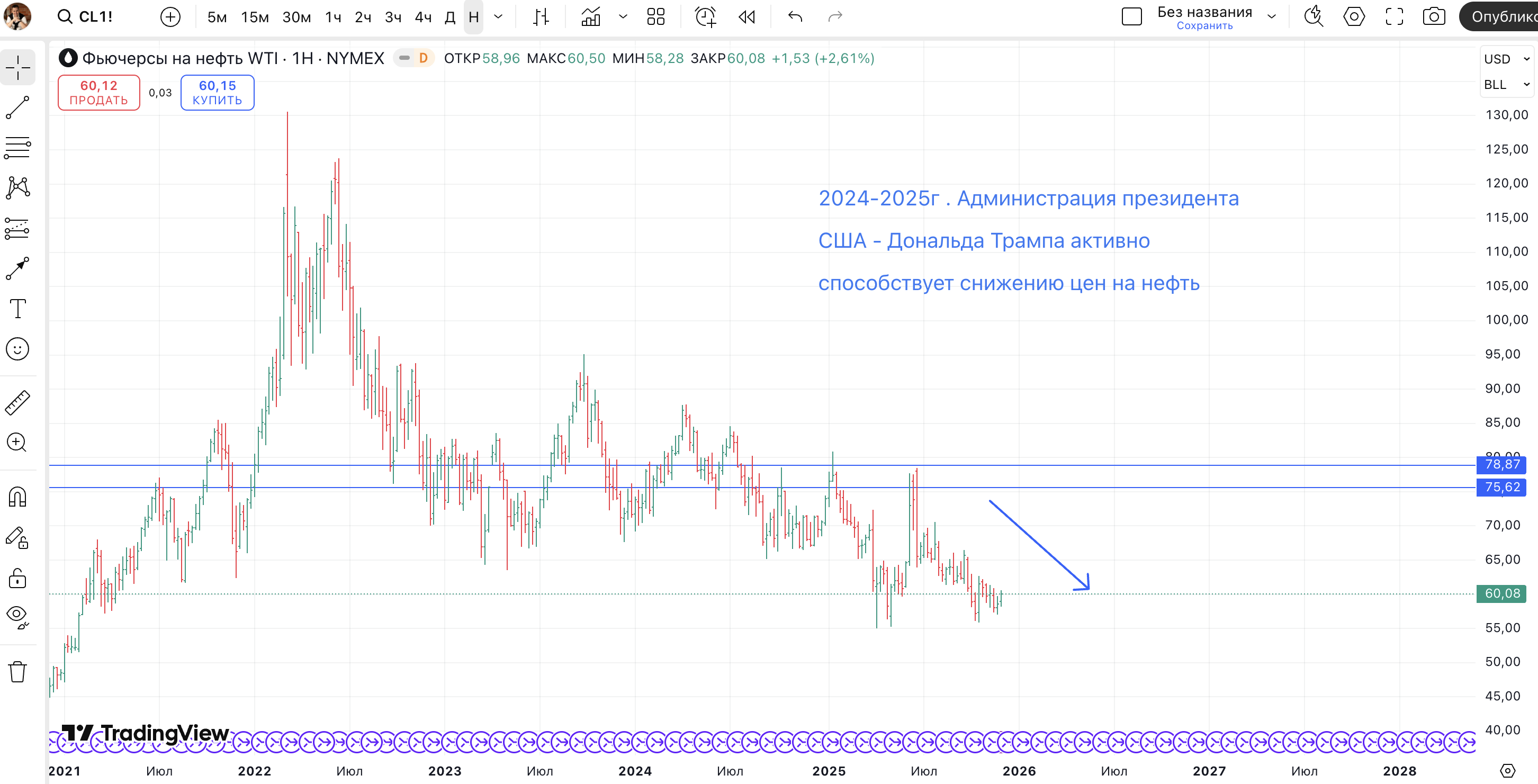
Oil respects technical analysis given high institutional participation. Support and resistance from historical highs and lows provide reliable reference points. Round numbers like $70, $80, $90 per barrel carry psychological significance attracting orders.
Moving averages identify trend direction effectively. The 50 and 200-day averages separate bullish and bearish regimes. Price relationship to these averages guides directional bias for swing trading strategies.
Volume analysis reveals institutional activity. High volume breakouts from consolidation suggest genuine directional intent. Low volume moves into resistance frequently reverse. Oil's deep markets make volume particularly meaningful.
Futures Market Structure
Understanding contango and backwardation proves essential for oil traders. Contango exists when future months trade above spot, reflecting storage costs. Backwardation sees spot premiums to futures, indicating tight physical markets.
Curve shape provides fundamental insight. Steep contango suggests oversupply with storage filling. Deep backwardation indicates supply tightness with immediate demand exceeding availability. Curve trading strategies exploit these structural differences.
Roll costs affect long-term position holders. ETFs and passive investors rolling monthly contracts during contango face negative roll yield. Understanding these mechanics prevents unexpected performance drags.

Risk Management
Oil's volatility demands respect through conservative position sizing. Daily moves of 3-5% are common, with geopolitical events triggering 10%+ swings. Standard forex position sizes prove inappropriate for oil's larger moves.
Gap risk requires attention given oil's sensitivity to news trading . OPEC decisions, inventory surprises, and geopolitical developments occur outside regular trading hours. Weekend gap exposure needs consideration for swing positions.
Correlation with other assets affects portfolio risk. Oil correlates with energy stocks, Canadian dollar, Russian ruble, and Norwegian krone. Combined exposure across correlated positions multiplies directional risk during sector moves.
Trading Strategies
Inventory trading around EIA releases offers weekly opportunities. Positioning based on API previews and consensus expectations captures immediate post-release moves. Quick execution and strict stops manage event risk.
Trend following works well during extended directional phases. OPEC policy shifts and demand cycle changes create multi-month trends. Entering on pullbacks to moving averages within trends improves risk-reward ratios.
Spread trading between WTI and Brent reduces directional exposure. The spread reflects regional dynamics independent of absolute price. Lower volatility and more predictable patterns suit systematic approaches.
Seasonal positioning exploits recurring patterns. Building positions ahead of driving season demand, reducing exposure during maintenance periods. Historical patterns inform but don't guarantee outcomes.
Platform Considerations
Futures contracts on CME (WTI) and ICE (Brent) offer purest exposure. Standard contracts represent 1,000 barrels, mini contracts 500 barrels. Margin requirements and contract specifications vary by exchange.
CFDs provide accessible alternatives with flexible position sizing. Overnight financing costs accumulate for extended holds. Spread widening during volatile periods affects execution quality.
Oil-linked ETFs and ETNs enable equity account exposure. Contango drag affects long-term holders of futures-based products. Leveraged products compound tracking errors over time.
Frequently Asked Questions
WTI (West Texas Intermediate) is US benchmark traded on NYMEX. Brent is international benchmark from North Sea traded on ICE. Brent typically trades at premium due to global relevance.
Key drivers: OPEC+ production decisions, global demand, US inventory data, geopolitical tensions, dollar strength, and seasonal patterns.
EIA releases weekly US inventory data on Wednesdays at 10:30 AM EST. API releases estimates Tuesday evening. Both reports move markets significantly.
Oil is highly volatile with daily ranges of 2-5% common. Geopolitical events can cause 10%+ moves. Strict risk management is essential.
Conservative leverage of 3-5x maximum recommended. Oil's volatility can quickly amplify losses. Position sizing should account for potential gaps.
About the Author
Author: Igor Arapov — independent researcher in trading psychology and behavioral finance, practising trader since 2013, founder of arapov.trade, author of a trading book series (Open Library ), (ORCID: 0009-0003-0430-778X ).