Precious metals have captivated traders and investors for millennia, with gold maintaining its position as the ultimate store of value. Modern financial markets offer unprecedented access to gold trading through the XAUUSD instrument, combining ancient appeal with contemporary market infrastructure. Understanding what drives this unique asset separates successful traders from those who struggle with its distinctive behavior patterns.
The troy ounce serves as gold's standard measurement, with XAUUSD quoting the dollar price for this 31.1-gram unit. Unlike currency pairs reflecting relative economic strength, gold represents absolute value perception influenced by monetary policy, inflation expectations, and risk sentiment globally. This complexity demands deeper analysis than typical forex instruments. This topic is directly related to the article: Economic Factors and Their Impact on Exchange Rates .
Monetary Policy Impact
Federal Reserve decisions dominate gold's directional bias more than any other single factor. Interest rate changes alter the opportunity cost of holding non-yielding gold versus interest-bearing alternatives. Rate hikes historically pressure gold as yields rise on competing assets, while cuts remove this headwind and support prices.
Real interest rates provide the crucial framework for understanding gold's response to monetary policy. When nominal rates fall below inflation, real rates turn negative, creating optimal conditions for gold appreciation. Investors rationally prefer an asset maintaining purchasing power over bonds delivering negative real returns.
Forward guidance from central banks moves gold markets significantly. Hawkish rhetoric suggesting future tightening weighs on prices even before actual rate changes. Dovish signals indicating accommodation support gold as markets price in favorable conditions. Parsing Fed communications becomes essential for gold traders.
Dollar Dynamics
The inverse correlation between gold and the US dollar ranks among the most reliable relationships in financial markets. Dollar strength through the DXY index makes gold more expensive for holders of other currencies, dampening demand. Conversely, dollar weakness supports gold prices as the metal becomes relatively cheaper for international buyers.
This correlation occasionally breaks during extreme risk-off episodes when both dollar and gold rise simultaneously as safe havens. Recognizing these regime shifts prevents false signals from the typical inverse relationship. Market context determines whether correlation holds or temporarily suspends.
Safe Haven Mechanics
Gold's role as a safe haven activates during periods of elevated uncertainty. Geopolitical tensions, financial crises, and systemic risks trigger flight to safety flows into gold. Unlike government bonds carrying sovereign risk, gold holds no counterparty exposure, making it the ultimate crisis hedge.
Central bank gold purchases add structural demand supporting prices. Emerging market central banks have accumulated gold reserves consistently, diversifying away from dollar-denominated assets. This institutional buying provides a floor under prices during corrections and amplifies rallies during risk-off periods.
Technical Framework
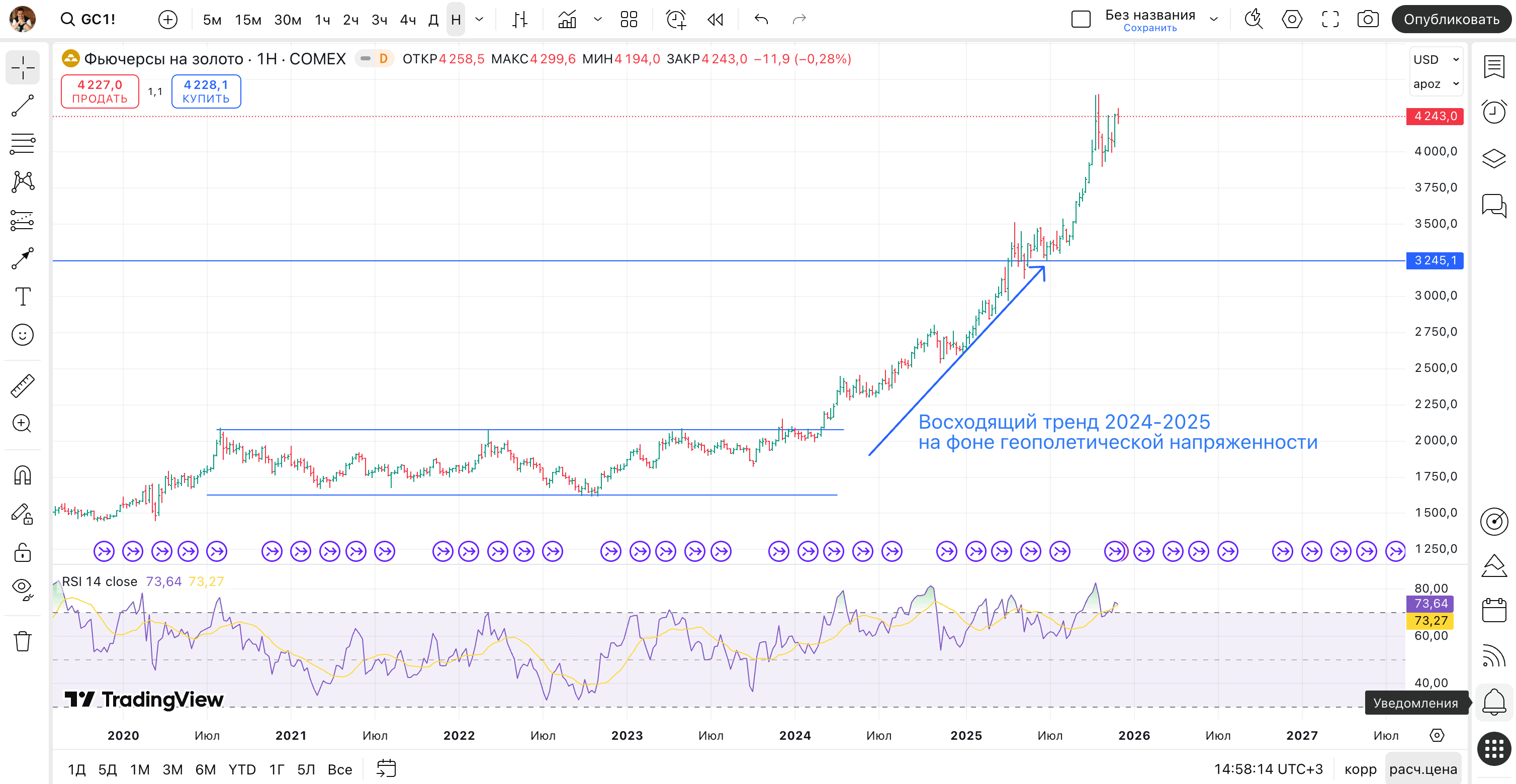
Gold respects technical analysis exceptionally well due to high liquidity and broad institutional participation. Support and resistance levels on higher timeframes demonstrate remarkable accuracy, particularly historical highs and lows. Round psychological numbers like $1800, $1900, and $2000 act as magnets for price action.
Trend identification through moving averages provides reliable signals for gold. The 200-day simple moving average separates bullish from bearish market structure. Price crossing above or below this level with volume confirmation often initiates sustained directional moves lasting months.
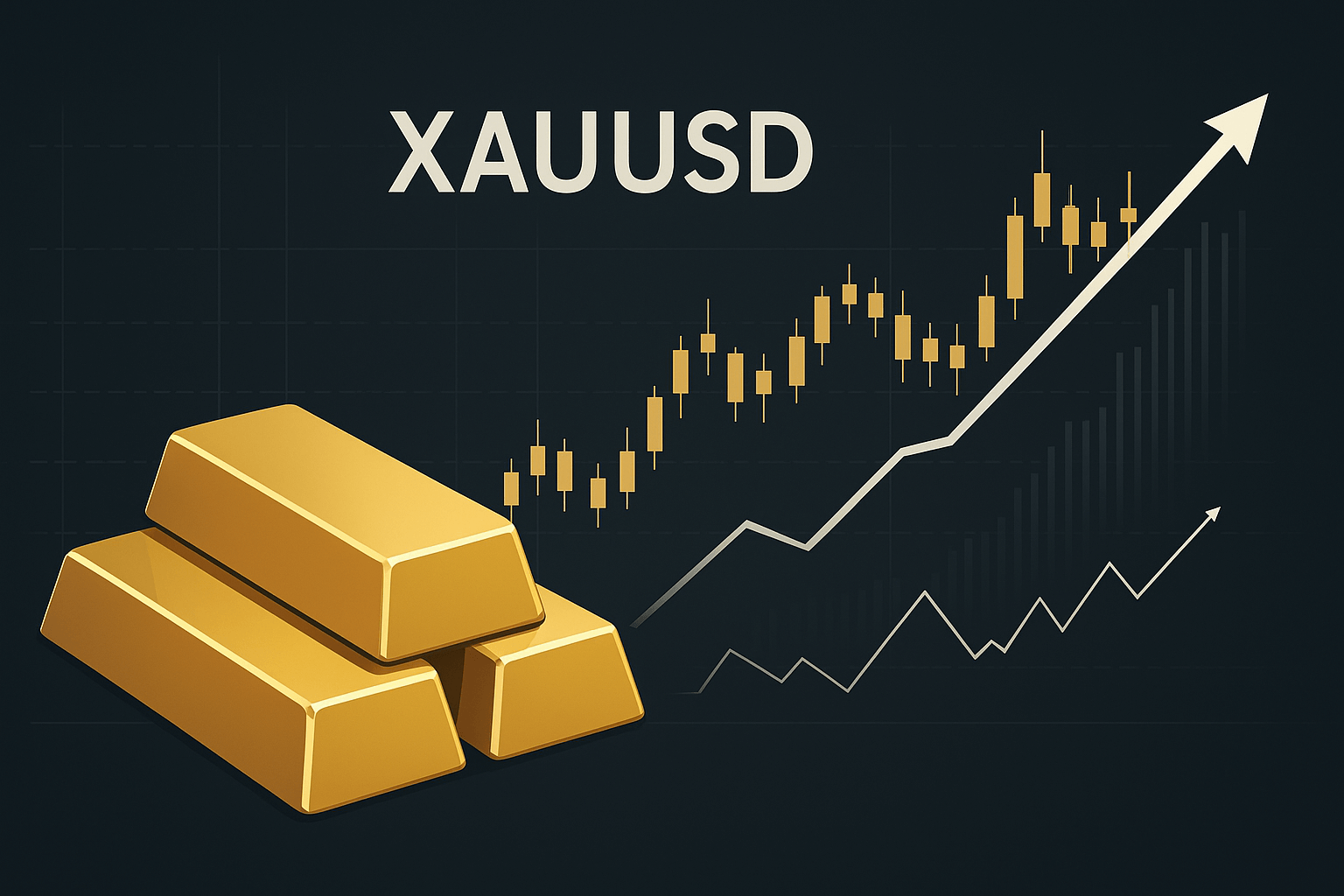
Spot gold price action on daily charts generates the most actionable signals for swing traders. Candlestick patterns at key levels—particularly reversal formations after extended moves—offer high-probability entry opportunities. Weekly charts establish the broader trend context for position traders.
Volatility Characteristics
Gold's volatility profile demands adapted risk management compared to forex pairs. Daily ranges of $20-50 are common, with news-driven moves potentially doubling these figures. Position sizing must account for wider stop requirements to avoid premature exits from ultimately profitable trades.
The ATR indicator provides essential volatility context for stop placement and position sizing. Stops at 1.5-2x ATR distance accommodate normal price fluctuation while protecting capital from adverse moves. Expanding ATR signals increasing risk requiring position reduction.
News events amplify gold volatility substantially. FOMC decisions, inflation data releases, and geopolitical developments can move prices $30-50 within hours. Calendar awareness helps traders either capitalize on these moves or reduce exposure to avoid unwanted volatility.
Correlation Trading
The Gold/Silver Ratio offers insights into precious metals market dynamics. Historically averaging around 60:1, extreme readings suggest potential mean reversion opportunities. Elevated ratios favor silver outperformance; depressed ratios suggest gold strength relative to silver.
Bond yields, particularly the US 10-year Treasury, correlate inversely with gold. Rising yields increase the opportunity cost of holding gold, pressuring prices. Falling yields remove this headwind. Monitoring yield movements provides advance warning of potential gold direction changes.
Trading Session Dynamics
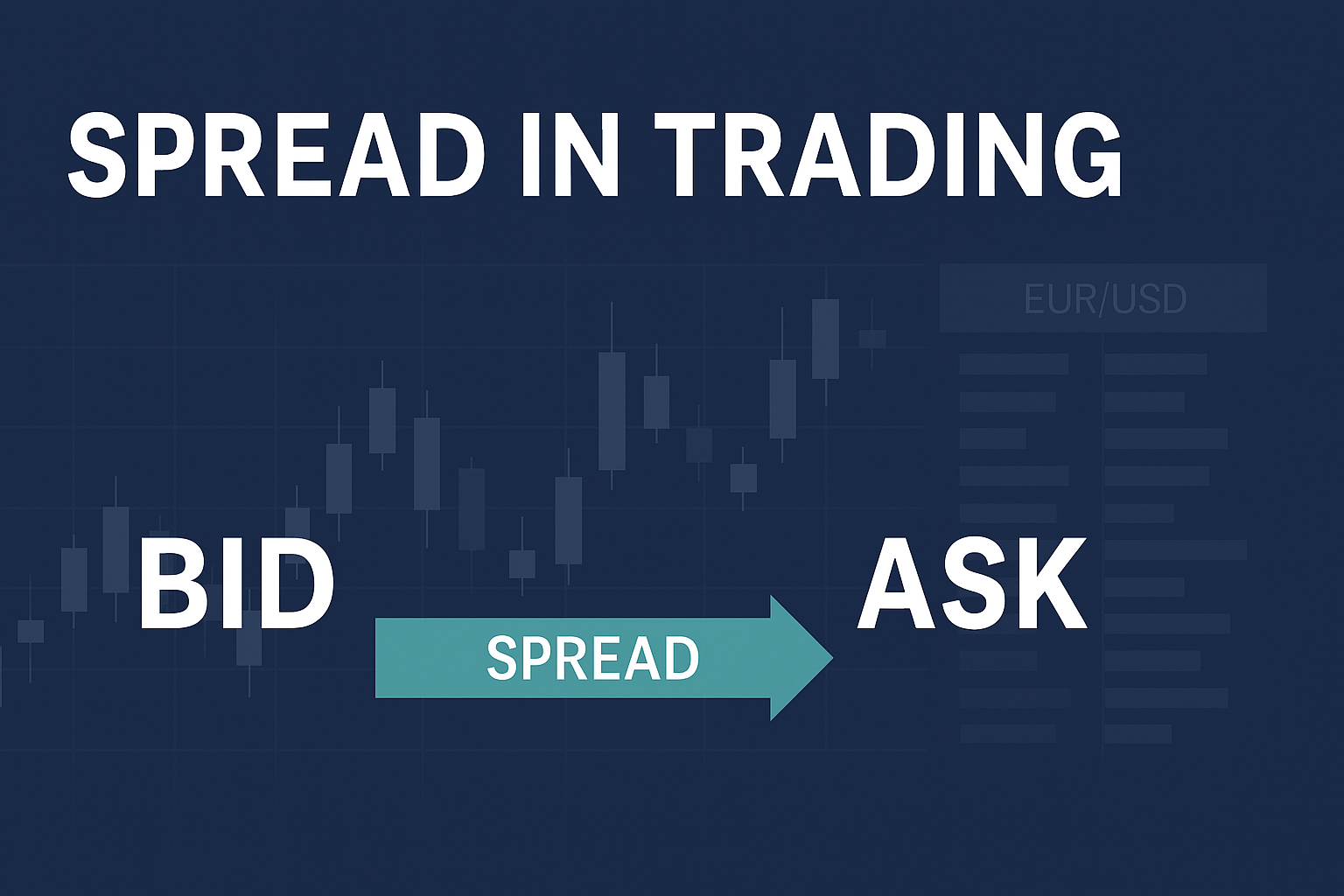
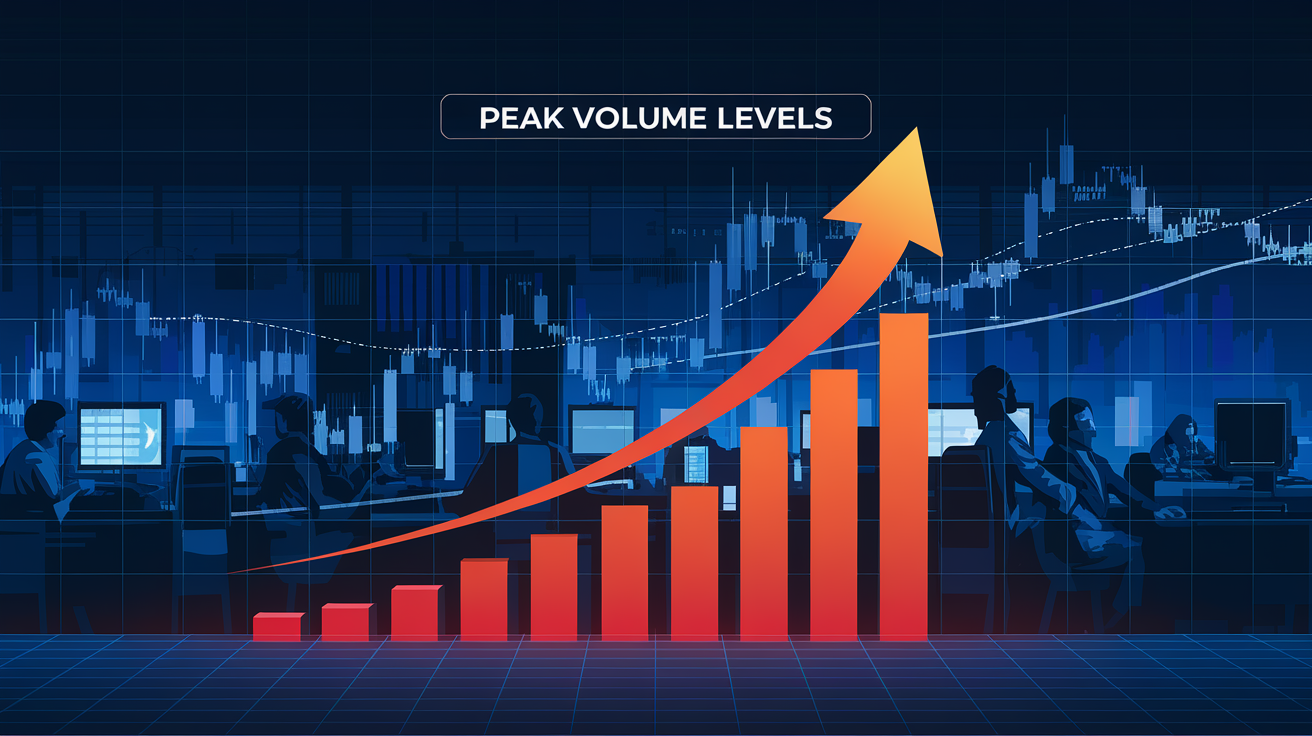
The London Fix establishes benchmark prices twice daily, creating activity spikes around these fixing times. The London-New York session overlap provides peak liquidity and tightest spreads. Asian session trading tends toward consolidation with occasional breakouts on regional news.
COMEX futures volume and open interest provide institutional positioning insights. Rising open interest during price advances confirms trend strength. Declining open interest suggests weakening conviction. Commitment of Traders reports reveal commercial versus speculative positioning.
Risk Management Specifics
Position sizing for gold should incorporate its elevated volatility. Standard forex position sizes often prove too large for gold's wider swings. Reducing typical position size by 30-50% maintains comparable dollar risk while accommodating necessary stop distances.
Maximum risk of 0.5-1% per trade provides appropriate cushion for gold's volatility characteristics. Multiple losing trades remain survivable at these levels, preserving capital for eventual profitable opportunities. Overleveraging gold positions leads to rapid account depletion during adverse moves.
Scaling into positions over multiple entries reduces timing risk and improves average entry prices. Adding to winners as trends develop maximizes profitable moves. Cutting losers quickly before full stop activation preserves capital when trade thesis proves incorrect.
Psychological Considerations
Gold's emotional significance spanning millennia can distort objective analysis. Treating XAUUSD as simply another trading instrument rather than a mystical store of value improves decision quality. The same technical and fundamental factors applying to other markets work for gold when applied dispassionately.
Fear of missing moves intensifies with gold's sharp impulses. Prices can rally $40-60 in single sessions, creating regret for sidelined traders. Systematic approaches with predefined entry criteria prevent chasing extended moves destined for retracement.
Patience proves particularly valuable for gold traders. Extended consolidation periods lasting weeks can exhaust traders before significant moves begin. Recognizing accumulation and distribution phases prevents premature entries and preserves capital for genuine breakouts.
Portfolio Integration
Gold's low correlation with equities makes it valuable for portfolio diversification. During stock market declines, gold often appreciates, offsetting losses in equity positions. Allocating 5-15% of portfolios to gold exposure represents conventional institutional practice for this reason. I also recommend studying oil trading for the complete picture.
Currency hedging through gold benefits traders with concentrated dollar exposure. Long gold positions partially neutralize dollar weakness risk in trading portfolios. This hedging function adds value beyond directional trading profits.
Macro cycle positioning determines optimal gold allocation timing. During economic expansion with rising rates, gold may underperform. During recession fears and monetary easing, precious metals often become top-performing assets. Adapting exposure to cycle positioning enhances returns.
Conclusion
Gold trading through XAUUSD represents one of the most compelling opportunities for serious traders. The combination of deep liquidity, clear technical structure, and powerful fundamental drivers creates ideal conditions for multiple trading approaches. Understanding monetary policy, dollar dynamics, and safe-haven mechanics separates profitable traders from those struggling with this unique asset.
Technical analysis proves exceptionally reliable for gold due to institutional participation and psychological price levels. When you combine fundamental understanding—real interest rates, Federal Reserve decisions, geopolitical risks—with technical precision, you create a powerful edge. Support and resistance levels, trend structures, and candlestick patterns consistently generate high-probability setups.
Risk management becomes absolutely critical given gold's elevated volatility. Position sizing must account for wider daily ranges, stops require greater distance than forex pairs, and maximum risk per trade should not exceed 0.5-1%. Multiple losing trades remain survivable at these levels, preserving capital for your eventual profitable opportunities.
The systematic approach—predefined entries, disciplined exits, scaling strategies, and emotional detachment—distinguishes successful gold traders from those depleting accounts quickly. Practice all strategies on demo accounts first, observe market structure without emotion, recognize regime changes in correlations, and maintain unwavering trading discipline.
Gold awaits carefully prepared traders who respect its dynamics and harness them for consistent profits. Your commitment to mastery, combined with patience and systematic execution, will unlock the exceptional opportunities this premier precious metal offers.
Frequently Asked Questions
XAUUSD is the trading symbol for gold priced in US dollars. XAU is the international code for gold, USD represents the US dollar. The quote shows the price of one troy ounce (31.1 grams) in dollars.
Key drivers include Federal Reserve interest rate policy, US dollar strength, inflation expectations, geopolitical tensions, central bank demand, and real interest rates (nominal rates minus inflation).
Peak liquidity occurs during the London-New York session overlap (8:00 AM - 12:00 PM EST). Volatility also increases around major US economic data releases and FOMC announcements.
Gold has preserved value for millennia, carries no counterparty risk, and historically protects against currency devaluation. During crises, capital flows into gold as a store of value.
Due to gold's volatility, 0.5-1% risk per trade is recommended. Stop losses need to be wider than forex pairs, accounting for daily ranges of $20-50.
About the Author
Author: Igor Arapov — independent researcher in trading psychology and behavioral finance, practising trader since 2013, founder of arapov.trade, author of a trading book series (Open Library ), (ORCID: 0009-0003-0430-778X ).