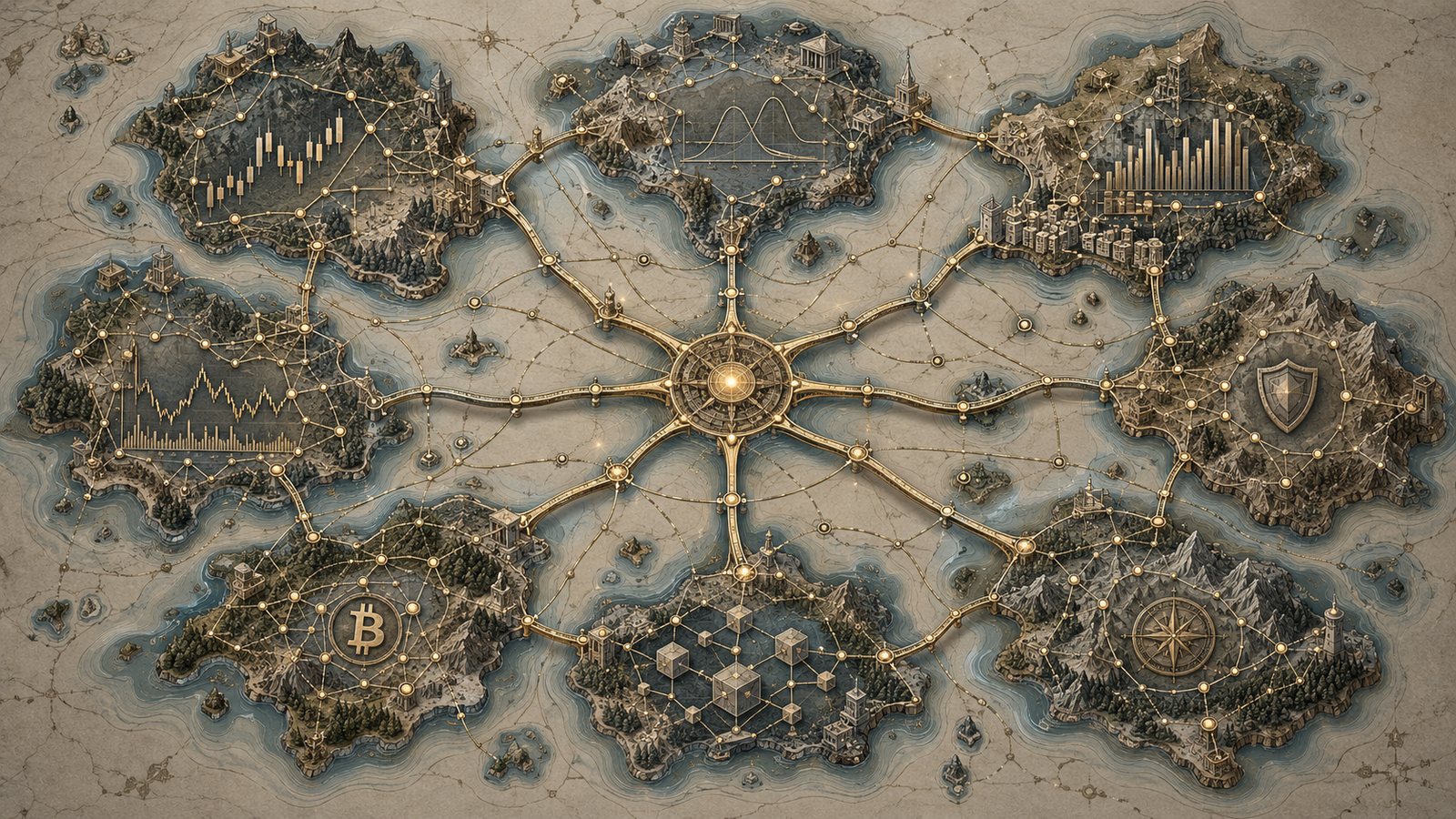
Use this guide to choose an area of the ArapovTrade library and a starting resource. Eight domains cover market mechanics, price and volume analysis, trading systems, risk and cryptocurrencies. Each section offers three starting articles; the detailed resources provide a path to exploring the topic further.
Getting started and trading systems
Start here to explore trading as a profession: learning, choosing a broker and platform, demo practice, trading styles and developing rules. These resources provide a starting sequence from studying the market to organizing your first trades.
Risk and psychology
This area connects capital management with trader behavior: position sizing, stop-losses, trade management, drawdowns, discipline and emotional decisions. Study it alongside a trading system so that entry rules are accompanied by limits on losses and a process for managing decisions.
Charts and technical analysis
Learn to read price movement through candles and bars, trends, levels, chart patterns and candlestick patterns. The area also covers breakouts, false breakouts, Elliott waves and Fibonacci levels. Begin with chart structure before moving on to patterns and their context.
Indicators
Explore tools for measuring trends, momentum and volatility. The library includes MA, ATR, ADX, RSI, MACD, Stochastic, VWAP, Bollinger Bands and Ichimoku. The overview introduces the tools; ATR and moving averages offer two starting perspectives: the size of price fluctuations and the direction of movement.
How financial markets work
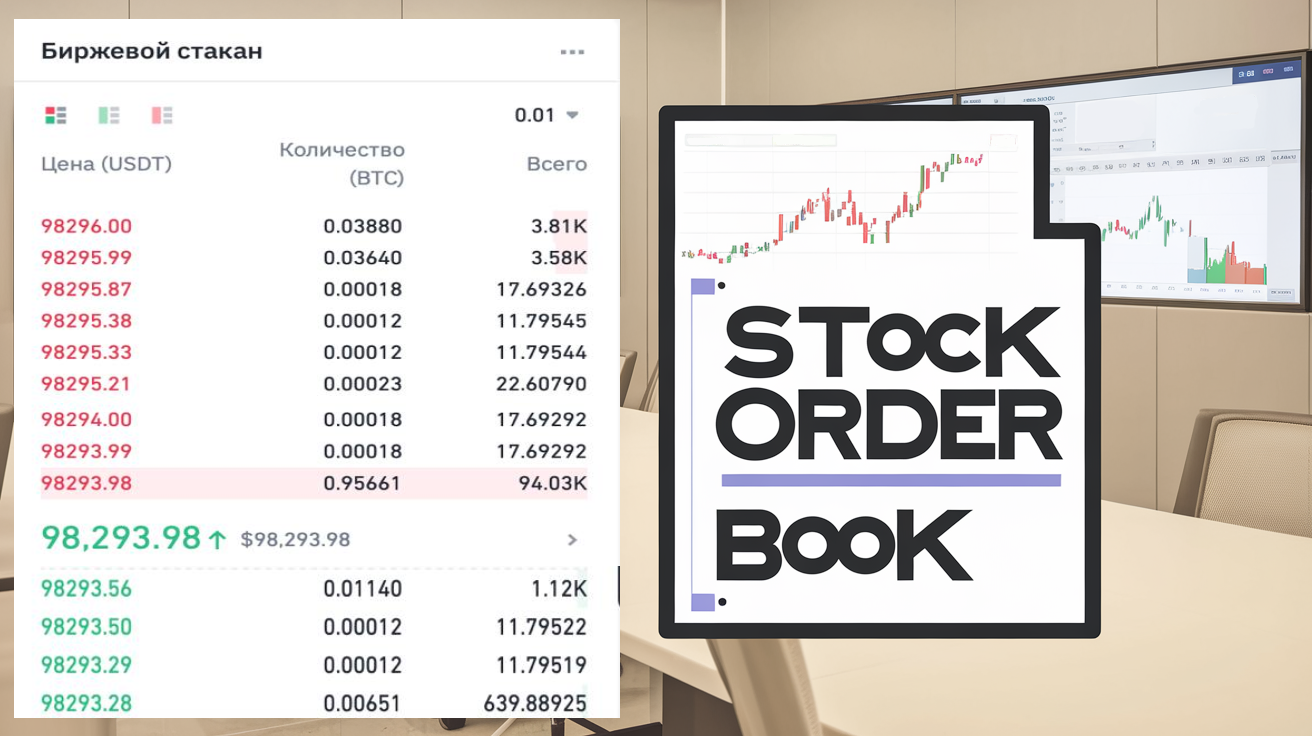
Understand where and how trading takes place: exchanges, market participants, orders, supply, demand and financial instruments. Further resources in this area cover market microstructure, Forex, fundamental analysis, bonds, and the differences between spot markets and derivatives.
Volume, Wyckoff and Smart Money
Connect price, trading volume and the behavior of large market participants. The starting resources move from reading volume to Wyckoff phases and Smart Money concepts. Related material covers liquidity, order blocks and FVG imbalances; the articles provide context for the author’s interpretations.
Cryptocurrency mechanics and security
Explore blockchain, crypto transactions, wallets and custody. Additional topics include stablecoins, DeFi, staking, tokenomics, arbitrage and crypto derivatives. This starting route combines an understanding of the technology with transaction security and awareness of scams and other risks.
Bitcoin, altcoins and market cycles
Study individual cryptoassets and their market relationships: Bitcoin, Ethereum, Solana and XRP, halving, ETFs, BTC dominance and ETH/BTC. Begin with Bitcoin and Ethereum, then explore dominance to connect the properties of individual assets with the wider crypto market.
Learning routes
- First steps: exchange mechanics → chart reading → trading basics → trading system → risk management.
- Market analysis: trends and levels → trading volume → Wyckoff method → Smart Money.
- Developing a system: trading rules → trade management → risk control → psychology and discipline.
- Crypto markets: cryptocurrency basics → custody and security → Bitcoin and Ethereum → BTC dominance and market cycles.
Looking for a specific answer?
For definitions, comparisons and focused questions, open the trading Q&A section. The map helps you choose an area to study; the Q&A section leads to a specific explanation and its source.
About the library
The materials are prepared by Igor Arapov, a practicing trader since 2013. The library is freely available and brings market theory together with explanations of his trading approaches.